
Heads Up: Gemini Just Added Brand Management Tools & GBP Reporting Got A Rebuild

Last updated:
|
11 minutes readKey Takeaways
- Google has introduced brand management capabilities in Gemini, so marketers can create more consistent branded content and streamline creative production.
- Google Business Profiles is testing a redesigned reporting dashboard that could give local businesses deeper insights into customer engagement, search trends and performance.
- Reddit's new AI-powered ad tools offer campaign forecasts, optimisation recommendations and automated budget allocation.
- Meta's creative targeting feature lets advertisers tailor individual ad creatives to specific demographics without creating separate ad sets for every audience.
- TikTok's 2026 Black Friday and Cyber Monday guidance highlights the value of creator partnerships, authentic product demonstrations and early creative testing.
It’s been another busy week in digital marketing, with major platforms announcing updates that you might want on your radar. From new AI capabilities to changes in advertising and performance reporting, there’s plenty happening. Some developments are already rolling out, while others offer an early look at what’s coming next.
Here’s your weekly update from Online Marketing Gurus, the authority on digital marketing in Australia.
Google just added brand management tools to Gemini
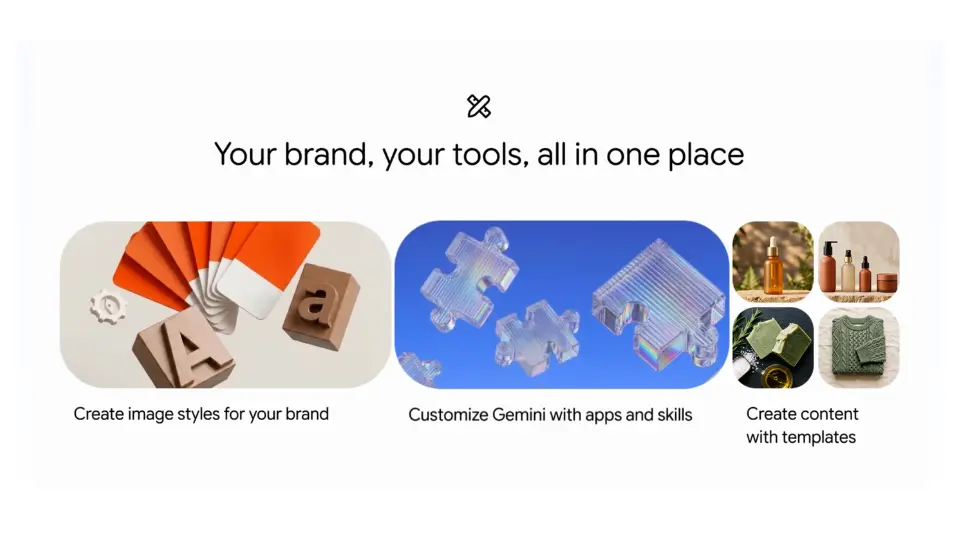
Google has introduced a new business hub inside Gemini, which brings brand creation, customer insights and financial analysis into one workspace. Businesses can connect tools including Google Business Profile, Google Ads, Canva and Shopify, giving Gemini more context to support marketing and business decisions.
The standout feature? Brand-aware creative generation. Upload your website, brand kit, fonts and colour palette, and Gemini can retain your visual identity for future projects. Powered by Nano Banana 2.1, it can produce branded assets for campaigns and product launches without requiring the same instructions every time.
The gurus’ take
We’ve all seen AI creative that looks polished but could belong to practically any business. This latest update tackles part of that problem by giving Gemini a better understanding of what makes your brand recognisable. That’s a welcome improvement.
However, brand consistency isn’t the same as creative effectiveness. An image can use the correct colours and fonts while completely missing what compels your audience to buy. We’d recommend treating Gemini as a production assistant, not your creative director. The strategy and messaging should still come from you.
There’s also a distinction worth making for brands investing in generative engine optimisation. These new tools help businesses create content with Gemini. They don’t directly track how your brand appears in independent AI search responses. That’s a separate challenge, and one where working with an experienced AI search agency can help.
Another consideration is data access. Connecting ad accounts, customer info and financial records may improve Gemini’s recommendations, but only if the underlying data is reliable and appropriately shared. Our advice? Experiment with the creative capabilities first, establish clear approval processes and keep sensitive information out of unnecessary integrations.
Your action plan
- Upload current brand guidelines, approved imagery, fonts and colours so Gemini has accurate references for creative generation.
- Compare Gemini-generated assets against your existing creative workflow, assessing production time, revisions and output quality.
- Review generated visuals for brand accuracy and campaign relevance before publishing anything.
- Check permissions before linking ad accounts, customer information or financial data.
- Track creative efficiency separately from AI search visibility, and judge campaign assets against actual performance.
Google Business Profiles is testing advanced performance reports
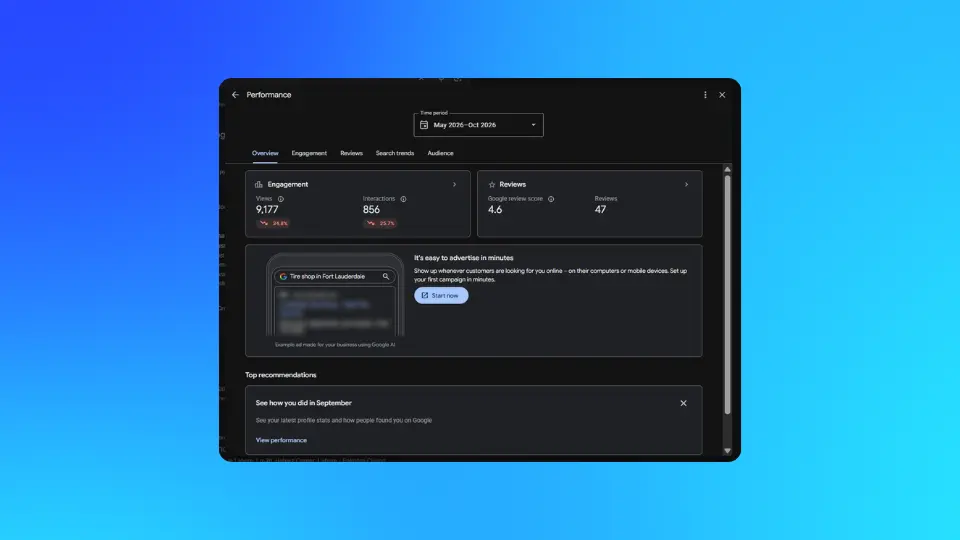
Google is testing a redesigned performance reporting dashboard for GBPs, giving businesses a more detailed look at how customers discover and engage with their listings. Early screenshots reveal dedicated sections for engagement, reviews, audience insights and search trends, alongside a new overview featuring recommendations.
The update is still in testing, with limited availability so far. If rolled out more widely, it could give businesses a clearer picture of their local search performance. It could make it easier to spot changes in customer behaviour, identify opportunities and make informed decisions about their GBP strategy.
The gurus’ take
More data sounds great, but more useful data is what we’re interested in. When assessing local SEO performance, we look beyond profile views and impressions to understand which interactions translate into genuine opportunities. A spike in searches might look impressive on a monthly report, but if it isn’t generating calls, bookings or qualified enquiries, there’s more digging to do. Google’s proposed dashboard could make those patterns easier to investigate. We’d pay particular attention to search trends and engagement, then compare the findings with website conversions and actual sales data. Remember, a good-looking report isn’t necessarily a good-performing campaign.
Another opportunity lies in understanding differences between locations. Customer behaviour in Sydney’s CBD won’t necessarily mirror what’s happening in suburban Brisbane or regional Queensland. If you’re managing multiple locations, these insights could help identify where demand is shifting and which listings deserve closer attention.
Our advice is to resist the temptation to act on every dashboard reco. Review the data in context, account for seasonal demand and prioritise changes that support commercial goals. An effective local SEO strategy still requires sound judgement about categories, content, reviews and local competition.
Your action plan
- Check whether the redesigned reporting dashboard is available to your account, but continue monitoring existing GBP metrics.
- Establish baseline figures for calls, website clicks, direction requests and search visibility before implementing changes.
- Compare engagement trends against actual enquiries and conversions to identify which interactions contribute to business growth.
- Use emerging search trends to review your primary categories, service descriptions and location-specific website content.
- Examine customer review patterns to identify recurring feedback, service gaps and opportunities to strengthen your reputation.
- For multi-location businesses, analyse each listing separately to avoid overlooking regional differences in customer demand.
Reddit is now guiding advertisers with AI
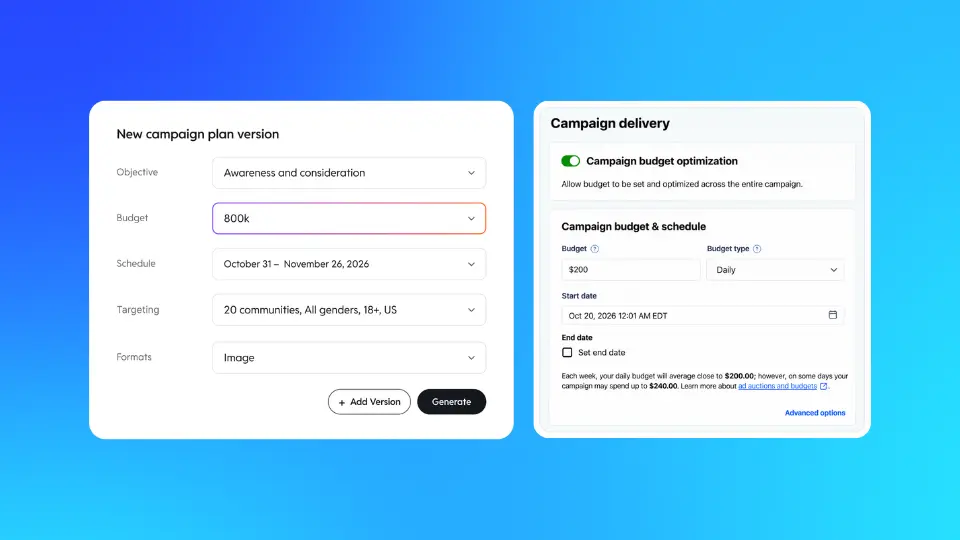
Reddit has introduced three AI tools to its Ads Manager, giving advertisers more support with campaign planning and optimisation. Its new campaign planner forecasts reach, impressions and costs while revealing audience activity and popular conversation themes across relevant subreddits.
Advertisers also get a campaign optimisation score, which rates campaigns from 0 to 100% and provides personalised recommendations for improvement. Meanwhile, campaign budget optimisation automatically shifts spending towards better-performing ad groups. The planner and scoring tools are rolling out throughout October 2026, with budget optimisation already available across several campaign objectives, including some in beta.
The gurus’ take
Reddit has always demanded a different approach to advertising. People come here for genuine conversations, recos and opinions, not another polished sales pitch. That’s why we’re very interested in the new campaign planner’s subreddit insights.
Understanding what audiences discuss, the questions they ask and the language they use can help brands develop creative that feels relevant to those communities. But here’s something worth remembering: a popular discussion doesn’t necessarily indicate buying intent. Before building campaigns around trending conversations, consider whether those discussions connect to genuine customer needs and commercial opportunities.
The optimisation score also deserves a measured approach. Reddit reports that advertisers scoring 80% or higher saw 19.6% lower blended cost per acquisition, although that doesn’t guarantee similar results for every campaign. We’d recommend testing its suggestions individually rather than chasing a perfect score. Automated budget allocation also needs supervision, especially when smaller audiences take longer to convert but generate more valuable customers.
If you’re exploring Reddit, partnering with an experienced paid social agency can help determine where the platform fits within a broader ad strategy.
Your action plan
- Use Reddit’s campaign planner to compare projected reach, costs and engagement across budgets and targeting options.
- Analyse subreddit conversations to identify recurring questions, customer frustrations and language that could inform your ad creative.
- Establish baseline figures for acquisition costs and conversion rates before applying Reddit’s optimisation recommendations.
- Test recommendations individually to identify which adjustments genuinely improve campaign performance rather than simply increasing your optimisation score.
- Monitor automated budget allocation to check whether smaller audiences or slower-converting segments are being overlooked.
- Compare Reddit’s results against your existing paid social channels to assess its contribution to conversions and revenue.
Creative targeting is live in Meta Ads

Meta has introduced a new creative targeting feature that lets advertisers specify which age groups and genders are best suited to individual images or videos within the same ad set. Instead of building separate sets for different demographics, you can now give Meta audience guidance at the creative level.
The feature launched through Meta’s Marketing API, with availability also emerging in Ads Manager. Importantly, these are audience suggestions rather than strict restrictions, meaning Meta can still serve creatives beyond the selected demographic. The feature also cannot be combined with Advantage+ audience.
The gurus’ take
This could be useful for brands with diverse product ranges or audiences spanning multiple life stages. Consider a furniture retailer promoting first-home essentials alongside premium living room collections. Both campaigns might benefit from different imagery and messaging without needing entirely separate ad sets.
But we’d caution against getting too comfortable with demographic assumptions. Age and gender can inform creative decisions, but they rarely tell the whole story. Someone shopping for baby products isn’t always a parent, just as someone browsing retirement products might be researching options for a family member. The strongest creative speaks to customer motivations, not simply demo labels.
There’s another consideration for teams handling Meta ads management: campaign efficiency. Consolidating ad sets could reduce fragmentation, but it doesn’t automatically improve performance. Meta’s algorithm still controls delivery, and some creative variations may receive more exposure than others. We’d recommend testing creative targeting against your existing campaign structure before making sweeping changes.
Pay attention to conversion quality, acquisition costs and creative-level spending, not just engagement rates. The goal is to give Meta better signals without surrendering your understanding of which customers are truly valuable.
Your action plan
- Check whether creative-level audience targeting is available in your Meta Ads account or through your Marketing API provider.
- Identify existing campaigns split primarily by age or gender that could benefit from testing a consolidated ad set.
- Develop distinct creative variations around customer needs, product benefits and purchasing motivations rather than relying exclusively on demographic assumptions.
- Run a controlled comparison against your current structure, accounting for the feature’s incompatibility with Advantage+ audience.
- Monitor creative-level delivery, conversion rates and acquisition costs to identify whether suggestions improve results or restrict opportunities.
Inside TikTok’s 2026 BFCM playbook
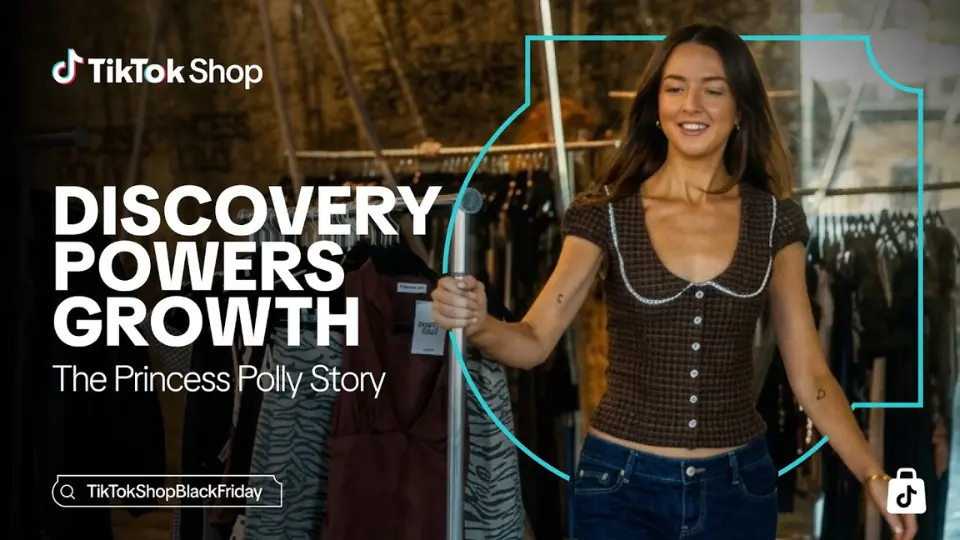
TikTok has released Road to Black Friday, a video series showing how brands are preparing for Black Friday and Cyber Monday (BFCM). Featuring Princess Polly, Dossier and SharkNinja, the series explores how creator partnerships, product-focused content and livestream shopping can turn casual browsing into sales.
The numbers are impressive. Princess Polly participated in around 6,000 TikTok Shop creator videos in a single month, while Dossier samples products to thousands of creators. Meanwhile, SharkNinja uses TikTok LIVE to demonstrate products and answer customer questions. TikTok also reported a 263% month-on-month increase in #holidayshopping content during September 2026.
The gurus’ take
Six thousand creator videos certainly sounds impressive, but we’d caution against treating content volume as the ultimate measure of success. Most retailers don’t need thousands of creators to run a profitable BFCM campaign. They need the right creators, strong product demos and content that gives shoppers a reason to buy.
We’d recommend testing different creative approaches before the sales period begins. Compare product demonstrations, customer testimonials and problem-solving videos to see what resonates. Then use those findings to guide your November creative rather than producing dozens of variations based on guesswork.
There’s also an important distinction for Australian businesses: TikTok Shop isn’t currently available locally, so the shopping experiences featured in these case studies won’t translate directly to every market. However, the lessons around product discovery and audience engagement remain valuable.
One useful approach is treating creator content as customer research. Pay attention to questions about sizing, product compatibility, delivery and pricing. These can reveal objections worth addressing in your ads and product pages. For brands investing in TikTok ads, we’d also recommend coordinating creative testing with inventory, promotions and fulfilment. A viral product video won’t count for much if the product sells out before your biggest promotional weekend.
Your action plan
- Review TikTok’s Road to Black Friday series and identify creative approaches relevant to your products and audience.
- Test product demos, creator testimonials and different opening hooks before committing your BFCM ad budget.
- Brief creators early and prioritise authentic product experiences over heavily scripted promotional content that feels out of place.
- Analyse comments and customer questions to identify purchasing objections that you should address.
- Coordinate your TikTok ad campaigns with inventory and fulfilment capacity to avoid advertising products you cannot deliver.
- Measure conversion, acquisition costs and revenue alongside engagement to identify which approaches generate profit.
The platforms keep changing. Your strategy should keep up.
Google, Meta, Reddit and TikTok are giving marketers plenty to think about. But as always, we say adopting every new feature isn’t a strategy. Knowing which updates deserve your attention is what separates busy marketing teams from high-performing ones.
That’s where Online Marketing Gurus comes in. With over a decade of experience, 40+ industry awards and a team of world-class SEO and paid media specialists, we know how to turn emerging opportunities into measurable business growth.
We stay across the latest developments so your marketing decisions are backed by expertise, not guesswork. From AI search to Google Ads and paid social, we help you make every investment count.
Ready to put these insights to work? Partner with a digital marketing agency that knows its stuff. Contact us for a free strategy session and discover where your next opportunity lies.

About the author
Read More Blogs
-

Last updated on:
-

Last updated on:
-
Last updated on:


Stop Guessing What Your Marketing Should Do Next.
Your free $4,000 strategy session shows where your digital marketing is leaking performance across search, paid media, content and conversion. You leave knowing what to fix first and what a stronger strategy could produce.