

Are Your Search Campaigns Ready for the Google Ads Migration?


Last updated:
|
10 minutes readKey Takeaways
- Google began auto-migrating Search campaigns using Automatically Created Assets and campaign-level broad match into AI Max on September 1, with the rollout continuing through the month.
- Google's updated Data Manager platform makes first-party data connections faster to set up, with Google citing a 26% average increase in incremental ROAS for advertisers who connect offline and app data.
- Australia's government has confirmed it will legislate algorithm opt-outs for social platforms, requiring chronological feeds to be offered as a real, visible choice rather than buried in settings.
- Pinterest released a four-step framework for running shopping promotions, covering everything from catalogue setup to campaign optimisation.
- New Pinterest data shows sharp growth in men's search interest across grooming, hobbies, home entertaining and fashion categories.
Google has started automatically moving Search campaigns into AI Max, whether advertisers have opted in or not and rolled out updates that make first-party data faster to plug into Google Ads campaigns. Meanwhile, Australia’s algorithm opt-out legislation took a real step forward, and Pinterest published fresh guidance on shopping promotions alongside new data on what men are searching for on the platform.
The common thread this week is control. Google is automating campaign structure by default, Australia is handing users more say over their feeds and Pinterest is arming marketers with sharper data. Anyone managing paid media should check what’s changing before it changes without notice.
Google Ads AI Max Auto-Migration Rolling Out Through September

Just a reminder from an April announcement: Google is retiring several legacy Search campaign features on September 1 onwards. Search campaigns with campaign-level broad match or standalone Automatically Created Assets are being automatically upgraded to AI Max, with the migration rolling out gradually across the month. Campaigns will be migrated in place using equivalent AI Max settings, and existing brand inclusions and exclusions will carry over automatically.
Advertisers can no longer create new campaign-level broad match configurations or legacy ACA campaigns, since Google blocked their creation across the Google Ads interface, Ads Editor and API from August 3. Dynamic Search Ads follow a separate, later timeline, with in-account notifications starting this month, reminder notifications in January 2027 and automatic migration beginning in February 2027.
The gurus’ take
The auto-migration itself isn’t the risky part. Google says the transition uses equivalent settings, so most accounts should see a relatively smooth handover. The risk sits with accounts that haven’t been reviewed in a while, where brand exclusions, negative keyword logic or asset configurations built for the old structure might not translate as cleanly into AI Max as Google’s default mapping assumes.
Developers relying on the Google Ads API face a harder deadline than most advertisers realise. Older API versions will keep supporting legacy broad match and ACA entities until their normal sunset around September 2027, but any integration built on newer API versions released after September 1 loses that support immediately. Teams running scripts or automated bidding tools against the API need to check compatibility now, well before the account-level migration even reaches them.
Your action plan
- Audit your account structure: Review every Search campaign using campaign-level broad match or standalone ACA now, before the September migration reaches your account.
- Verify brand settings post-migration: Check brand inclusions and exclusions carry over as expected once a campaign migrates, rather than assuming the transition is clean.
- Check your API integrations: Review any scripts, tools or integrations built on the Google Ads API for compatibility with the post-September 1 changes.
- Plan ahead for Dynamic Search Ads: Get ahead of the February 2027 migration early, since the deadline will arrive faster than it seems, or bring in a Google Ads services team to manage the transition across both timelines.
Google’s Data Manager Update Makes First-Party Data Faster to Set Up

Google has rolled out a set of updates to its Data Manager platform, the centralised tool advertisers use to upload and manage their own customer and sales data inside Google Ads. The update adds a new integration feeding Data Manager information into both Google Analytics and Display & Video 360, which gives campaigns richer audience insights and more accurate ad display decisions. Google says advertisers who connect offline and app data to Data Manager see an average 26% increase in incremental ROAS.
Alongside this, Google is rolling out enhanced conversions in Google Analytics and Display & Video 360, expanding the Data Manager API’s connective options and adding automatic diagnostics that flag data issues before they affect campaign performance. A new Data Strength Uplift Metric in Google Ads calculates how many additional conversions come specifically from first-party data sources.
The gurus’ take
First-party data has been positioned as essential for a while now, but the setup friction has kept plenty of advertisers from actually connecting it properly. Faster integration and built-in diagnostics that flag problems automatically remove a real barrier, particularly for teams without a dedicated data specialist managing these connections.
The new Data Strength Uplift Metric deserves attention on its own. Being able to see exactly how many conversions are attributable to first-party data, rather than assuming it’s helping, gives advertisers a concrete number to justify the setup effort to stakeholders who might otherwise deprioritise it.
Your action plan
- Connect your first-party data: Link offline and app data sources to Data Manager if you haven’t already, given the average ROAS uplift Google is reporting.
- Strengthen customer matching: Turn on enhanced conversions in Google Analytics and Display & Video 360 to improve matching across campaigns.
- Monitor data quality: Check the new diagnostics tools for flagged data issues before they start affecting campaign performance.
- Quantify the impact: Track the Data Strength Uplift Metric over the coming month to build a clear case for further investment in first-party data, or work with a PPC agency to get the integration built properly from the start.
The Algorithm Opt-Out Legislation Is Officially Progressing in Australia
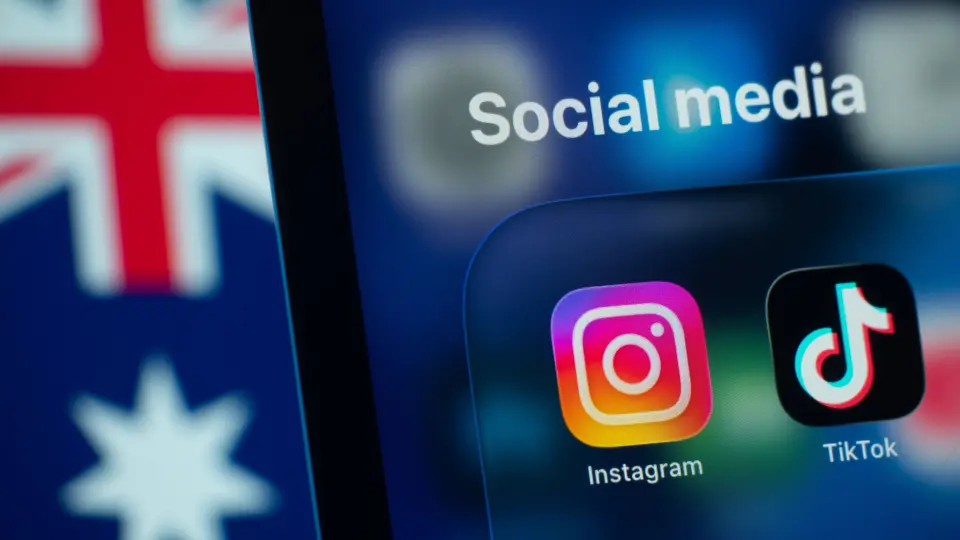
The Australian government has confirmed it will legislate a requirement for social media platforms to offer users a visible choice between an algorithmically recommended feed and a chronological one showing only followed accounts. Under the proposal, platforms must notify new and existing users of this choice directly, rather than leaving an opt-out buried in a settings menu, which is currently how most platforms handle it. Most platforms already offer some version of an algorithm opt-out, but none currently make an algorithm-free feed the default or present it as a clear upfront choice.
The legislation also includes new rules around addictive app features and tougher content restrictions covering eating disorders, crime, gender equality and dangerous stunts. Non-compliant platforms face penalties of up to $109.2 million, with full details still being worked out over coming months.
The gurus’ take
If this passes as outlined, it changes the baseline assumption behind organic and paid reach for every business doing digital marketing in Australia. Reach built on algorithmic amplification works differently from reach built on people actively choosing to follow an account, and a shift towards chronological feeds would reward brands that have built genuine follower relationships over those relying heavily on algorithmic discovery. For social media marketing, that means the accounts investing in content people actually want to follow, rather than content built to game an algorithm, are the ones set up to come out ahead.
Don’t forget the full parameters haven’t been settled yet, as platform responses to regulation like this often shape the final impact as much as the legislation itself does. The smart move is watching how platforms respond in the coming months rather than reacting to the announcement alone.
Your action plan
- Assess your exposure: Review how much of your current reach depends on algorithmic discovery versus your existing follower base, so you understand what’s at stake if this shifts.
- Prioritise genuine follower growth: Shift focus towards audiences who’ve actively chosen to follow you, since a chronological-first environment rewards that over short-term algorithmic reach.
- Track platform responses: Keep an eye on how individual platforms react to the legislation as details firm up over the coming months.
- Get your organic strategy in shape: If a large share of your reach currently comes from algorithmic amplification, now’s the time to rebuild it around genuine audience connection.
Pinterest Just Shared How to Run Better Shopping Promotions

Pinterest has published a four-step framework for running effective shopping promotions, timed for brands heading into the end-of-year shopping period.
The guide covers building foundations first (shopfront, synced catalogues and tracking tags), then launching promotions using its Trends tool and AI-powered Performance+ campaigns, before measuring against clear goals. With 640 million monthly active users coming to the platform largely for shopping and product discovery, catalogue and campaign hygiene carries more weight than it might seem.
The gurus’ take
The sequencing in this guide matters more than any individual step. Brands that jump straight to launching promotions without establishing a proper shopfront and synced catalogue tend to underperform, not because the promotion itself was weak, but because Pinterest’s systems don’t have clean data to work with yet. It’s the kind of foundational work a good digital marketing agency builds in before a campaign ever goes live, rather than fixing after the fact.
Performance+ getting a specific mention alongside more manual options like dynamic retargeting is also worth noting. Pinterest is clearly positioning its AI-driven campaign type as the default recommendation, similar to the direction Google Ads has taken with AI Max, which suggests testing it now rather than waiting is the more useful approach heading into the holiday period.
Your action plan
- Sync your foundations: Confirm your shopfront and product catalogue are fully synced before launching any new shopping promotions this quarter.
- Spot rising demand: Use Pinterest Trends to identify category trends ahead of the end-of-year shopping period.
- Test AI-driven campaigns: Run Performance+ alongside your existing Pinterest advertising campaign types to compare performance before committing budget fully.
- Set clear benchmarks: Define what good performance looks like upfront so campaign measurement is meaningful.
New Pinterest Data Shows What Men Are Searching, Saving and Buying

Pinterest has released a trends report on rising search interest among men on the platform, who now make up around a third of its 640 million monthly active users. Categories like wellness retreats, hands-on hobbies, home entertaining, communal gaming and men’s grooming and fashion are all showing sharp year-on-year growth. Searches for items like beard fades and skincare products are up well over 100%.
The gurus’ take
Pinterest is still widely treated as a platform for reaching women, and this data is a useful corrective. A third of the platform’s user base is a substantial audience that most brands running digital marketing in Australia might not be actively targeting there, with categories including grooming, fashion and home entertaining.
Hobby-driven searches like woodworking and journaling and social categories like communal gaming point to men using Pinterest for planning and discovery in ways that don’t map neatly onto traditional male-targeted advertising categories. Brands treating Pinterest purely as a fashion or lifestyle platform for women are likely missing a genuine opportunity here.
Your action plan
- Check your targeting assumptions: Review whether your current Pinterest targeting or creative assumes a female-only audience and adjust if the data suggests otherwise.
- Test high-growth categories: Trial creative in categories showing the strongest growth for your industry, particularly grooming, hobbies or home entertaining if relevant.
- Build around intent instead of demographics: Structure campaigns around search intent rather than broad assumptions, since the growth spans planning, hobby and lifestyle categories.
- Watch the trend into the holidays: Monitor how this data shifts over the coming quarter to see whether it holds into the holiday shopping period.
Get Your Accounts Ready Before the Migration Reaches You
Google is reshaping Search campaigns by default, Australia is rethinking how social platforms serve content and Pinterest is handing marketers sharper data to work with. Each of these shifts where control sits between platforms and the businesses using them. Reviewing accounts and strategy now, rather than after the changes land, is what keeps a business ahead of it rather than reacting to it.
Online Marketing Gurus is a digital marketing agency with over fourteen years of experience helping Australian businesses navigate exactly this kind of change across Google Ads, paid social and generative engine optimisation. We can prepare you for the AI Max migration, make the most of Pinterest’s shopping season or get ahead of Australia’s algorithm changes.
Get in touch for a free strategy session and see how our approach to digital marketing in Australia can help your business stay ahead as these changes take effect.

About the author
Read More Blogs
-
10 minutes read
Are Your Search Campaigns Ready for the Google Ads Migration?

Last updated on:
-
 10 minutes read
More AI In Search, More Ads In AI & More Choice For Social Users: This Week’s Updates
Last updated on:
-
Last updated on:



Stop Guessing What Your Marketing Should Do Next.
Your free $4,000 strategy session shows where your digital marketing is leaking performance across search, paid media, content and conversion. You leave knowing what to fix first and what a stronger strategy could produce.