

Q2 Close: AI Answers Half Of Google, Search Console Tracks Social, Ads Maps Leads

Last updated:
|
9 minutes readKey Takeaways
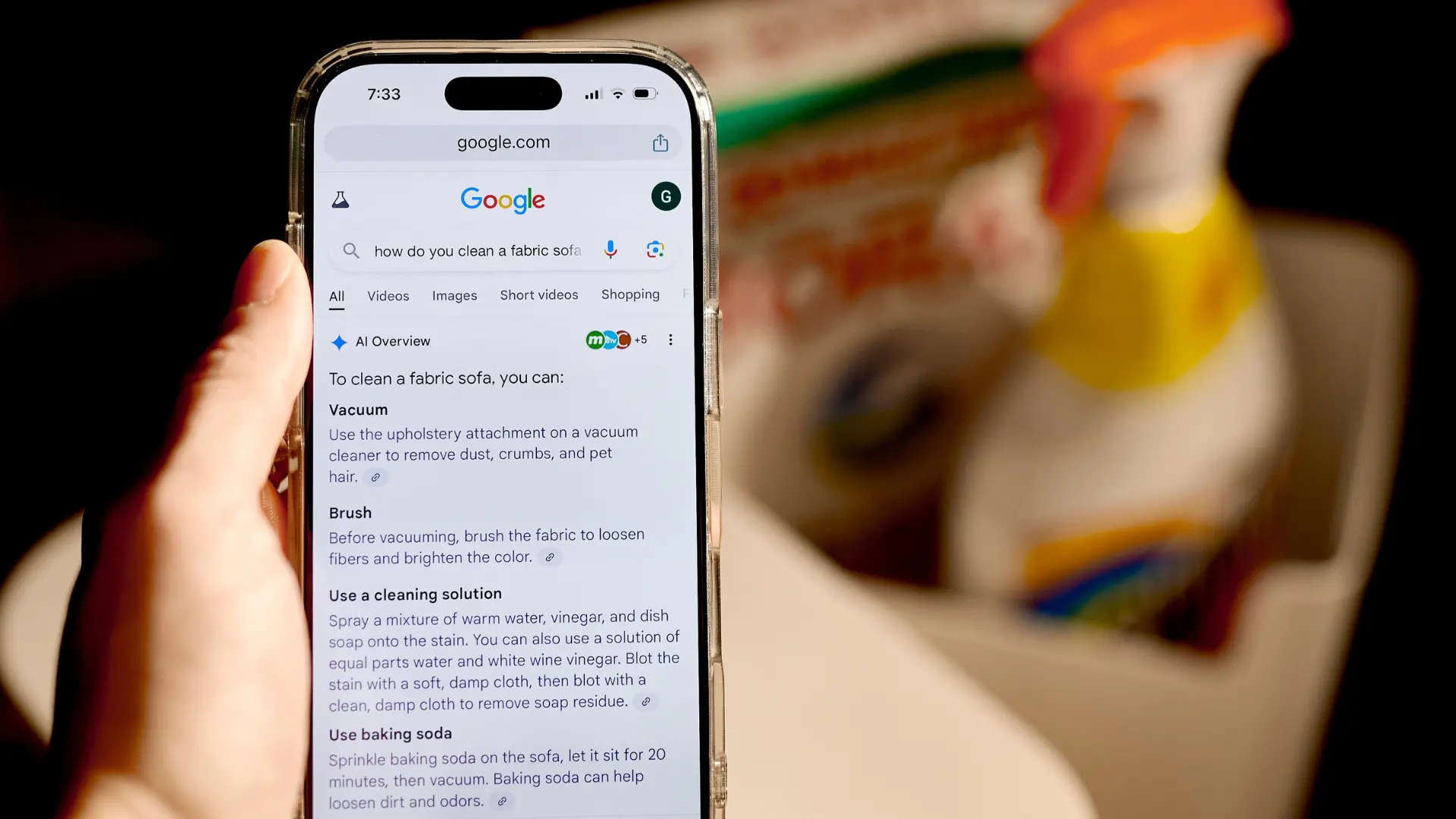
- AI Overviews now appear across approximately 43% to 48% of Google searches, making Generative Engine Optimisation an increasingly important part of organic visibility.
- Search Console can now reveal which Google queries lead users to social and video content published on Instagram, TikTok, X and YouTube.
- AI-generated descriptions are being tested in Shopping ads, increasing the importance of accurate, detailed and well-structured product feeds.
- Google Ads Lead Journey Mapping could help advertisers connect campaign activity with qualified leads and completed sales, provided reliable CRM data is available.
- Google no longer explicitly requires websites to block internal search results, but unrestricted crawling can still waste resources and create quality or security issues.
AI Overviews Now Appear on Almost Half of All Google Searches
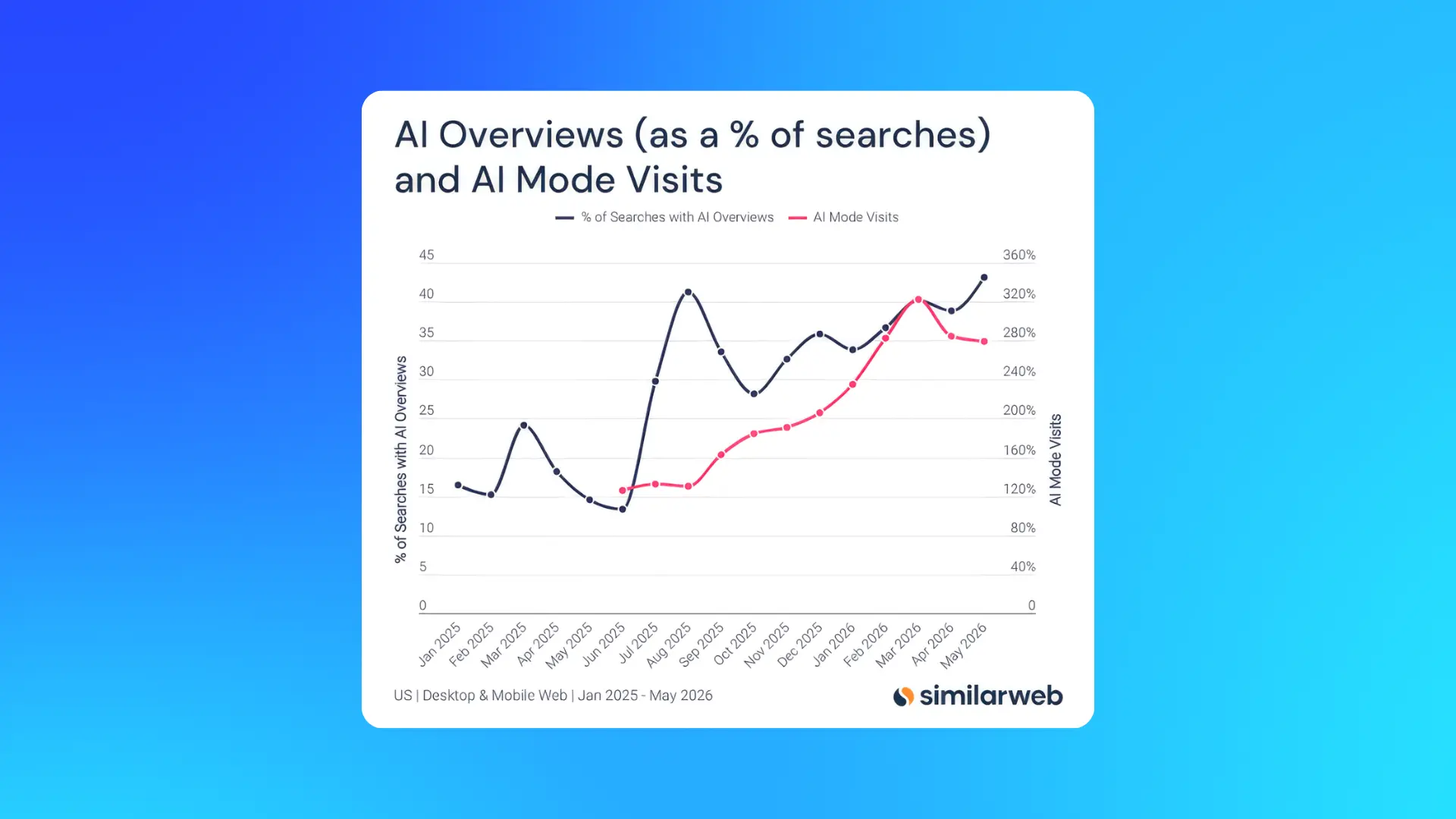
AI Overviews are rapidly becoming a standard part of Google Search. Similarweb estimates that they now appear for approximately 43% of queries, while Semrush places the figure closer to 48%.
Although the percentage varies by dataset and search category, both show significant growth from the estimated 13% to 20% reported last year. Informational searches are particularly likely to trigger an AI-generated answer, affecting the queries people use to research problems, products and services.
AI Mode visits are also growing, suggesting users are becoming more comfortable with conversational, answer-led search experiences.
The Gurus’ Take
AI Overviews appearing across almost half of searches change what organic visibility looks like, but it does not make traditional SEO obsolete. Google still needs reliable sources to create its answers.
Brands need clear, well-structured content supported by original insights, credible evidence and strong technical foundations. Rankings can no longer be viewed in isolation. A page may retain its position but receive fewer clicks because an AI Overview answers the query first. Alternatively, a brand could gain visibility by being cited within the generated response.
A focused generative AI SEO service can identify where AI answers are changing the customer journey and strengthen the content most likely to earn citations.
Your Action Plan
- Check which priority queries trigger AI Overviews and whether your brand or competitors are cited.
- Separate informational, commercial and transactional keywords when assessing potential impact.
- Strengthen valuable pages with concise answers, original examples and credible evidence.
- Track impressions, clicks and conversions alongside rankings.
- Build clear internal links between related pages to reinforce topical authority.
- Monitor AI citations regularly because the included sources can change.
Google Search Console Now Tracks Your Social Content Performance
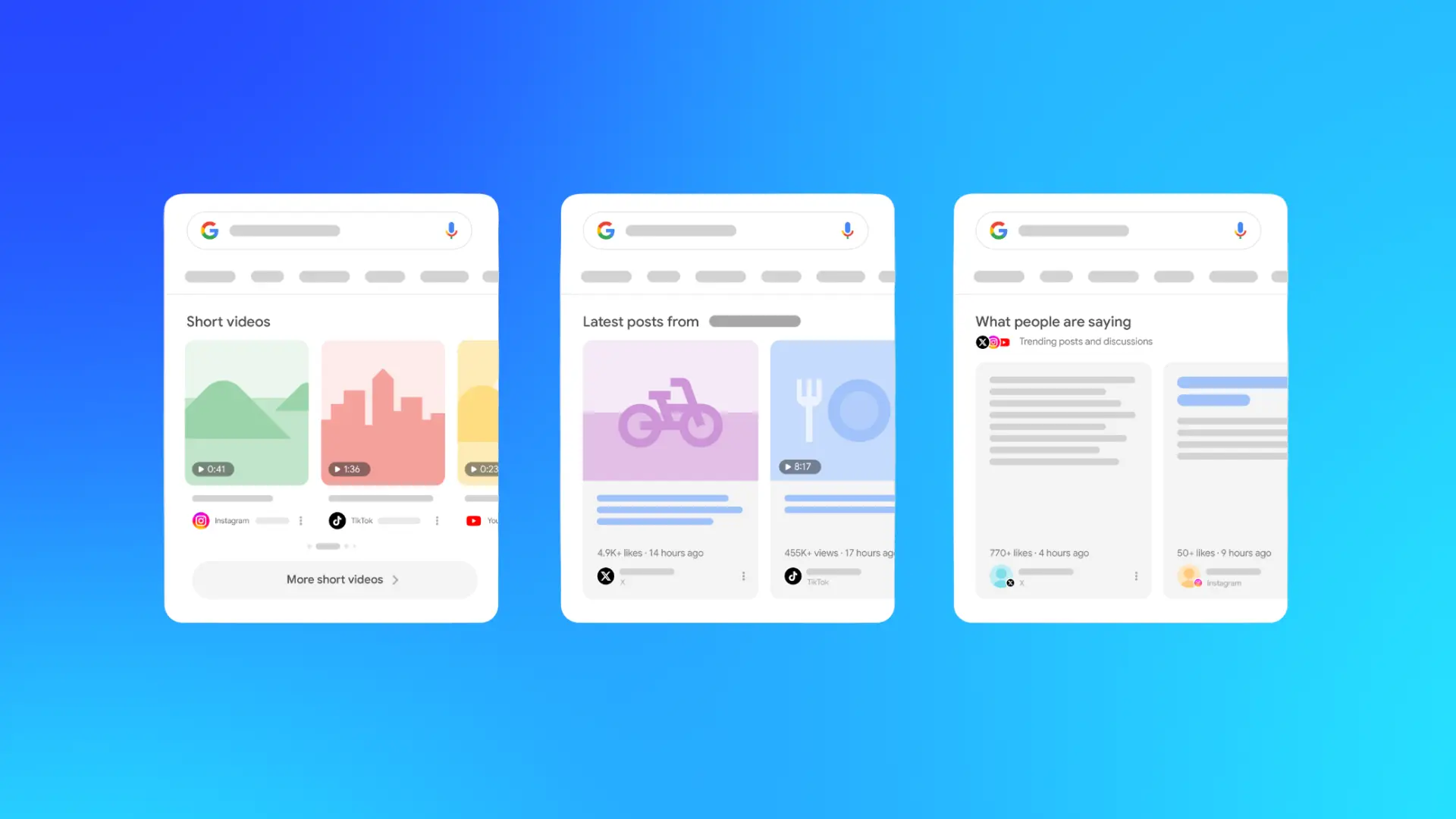
Google has opened Search Console platform properties worldwide, allowing businesses to see how content published on Instagram, TikTok, X and YouTube performs across Google Search, Discover and Google News.
Marketers can now identify which Google queries lead users to their social posts and videos. This provides a missing link between social performance and search discovery, particularly for content hosted outside a company’s website.
Google’s new reporting includes query groups, 24-hour performance filters and comparison tools for formats such as YouTube videos and Shorts or Instagram posts and Reels. Marketers can also annotate content changes and export data from different platforms for side-by-side analysis.
Access may still appear progressively across individual accounts, so Australian businesses should check which profiles are currently eligible.
The Gurus’ Take
This update gives marketers a broader view of search visibility. Social platforms show engagement within their own environments, but they do not usually reveal what someone searched on Google before discovering a post.
The data could reveal that a video with modest social engagement continues attracting valuable Google traffic months later. Query reports may also uncover topics worth developing into new videos, website content or paid campaigns.
It also creates an opportunity to get more value from content already being produced. If a social post consistently attracts traffic for a particular search theme, marketers can adapt that insight into an article, landing page or follow-up video. Likewise, content that performs strongly within a social platform but attracts little search visibility may need a clearer title, caption or topic focus. The data helps teams plan content around demonstrated audience interest rather than assumptions.
This reinforces why SEO services should not treat websites, social platforms and video as separate channels. Customers move between these formats throughout the same research journey.
Your Action Plan
- Check Search Console for eligible Instagram, TikTok, X and YouTube properties.
- Review query groups for topics gaining or losing search interest.
- Use the 24-hour filter to identify and amplify posts attracting sudden traffic.
- Compare formats to see which performs best in Google.
- Export results from each platform for combined analysis.
- Refresh, pin or expand older content that begins gaining search visibility.
- Annotate title and caption changes to assess their impact.
Google Shopping Ads Is Testing AI-Generated Product Descriptions
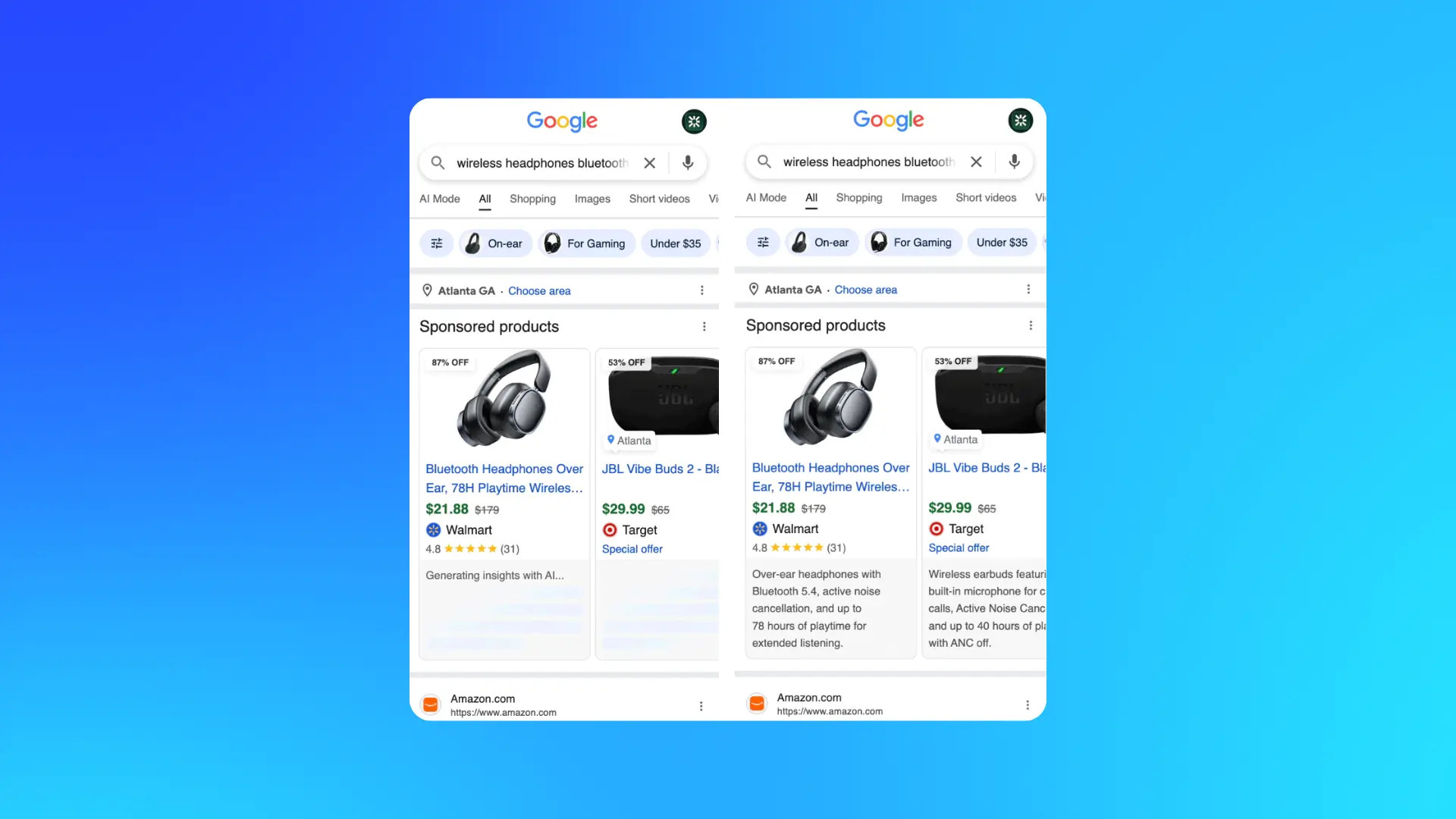
Google is testing AI-generated descriptions alongside Shopping and Product ads, expanding an experiment previously seen in sponsored Search results.
The descriptions appear to add AI-generated context to paid product listings, potentially helping shoppers understand products before clicking. Google described its earlier Search ads trial as a small experiment intended to help users make more informed decisions. It has not been confirmed how widely the Shopping test is running or whether it will become a permanent feature.
For retailers, the key issue is control. Advertisers invest heavily in product titles, descriptions, imagery and feed structure, but these new summaries may introduce messaging that has not been written or approved by the brand.
The Gurus’ Take
This test could make Shopping ads more useful, but it also creates another variable advertisers cannot directly manage. If Google summarises a product accurately, the additional context may attract more qualified clicks. If the description overlooks an important feature or misinterprets feed data, it could weaken the offer or create mismatched expectations.
The quality of the source feed will become even more important. Google’s AI can only interpret the product information it receives, so vague titles, inconsistent attributes and incomplete descriptions leave more room for errors.
A specialist Google Shopping agency should already be treating feed quality as a core performance lever. During this experiment, advertisers should monitor whether unusual changes in click-through rate, conversion rate or search terms correspond with AI-generated descriptions appearing on their listings.
Action Plan
- Review product titles, descriptions, attributes and identifiers for accuracy and consistency.
- Prioritise feed improvements for bestsellers and high-spend products.
- Check Shopping results manually to see whether AI-generated descriptions appear.
- Monitor click-through rates, conversion rates and return on ad spend for unexplained changes.
- Ensure important features and differentiators are clearly stated in the source feed.
- Report inaccurate or misleading AI descriptions if Google provides a feedback option.
- Avoid relying on automation without reviewing how products are represented to shoppers.
Google Ads Introduces a New Lead Journey Mapping Tool
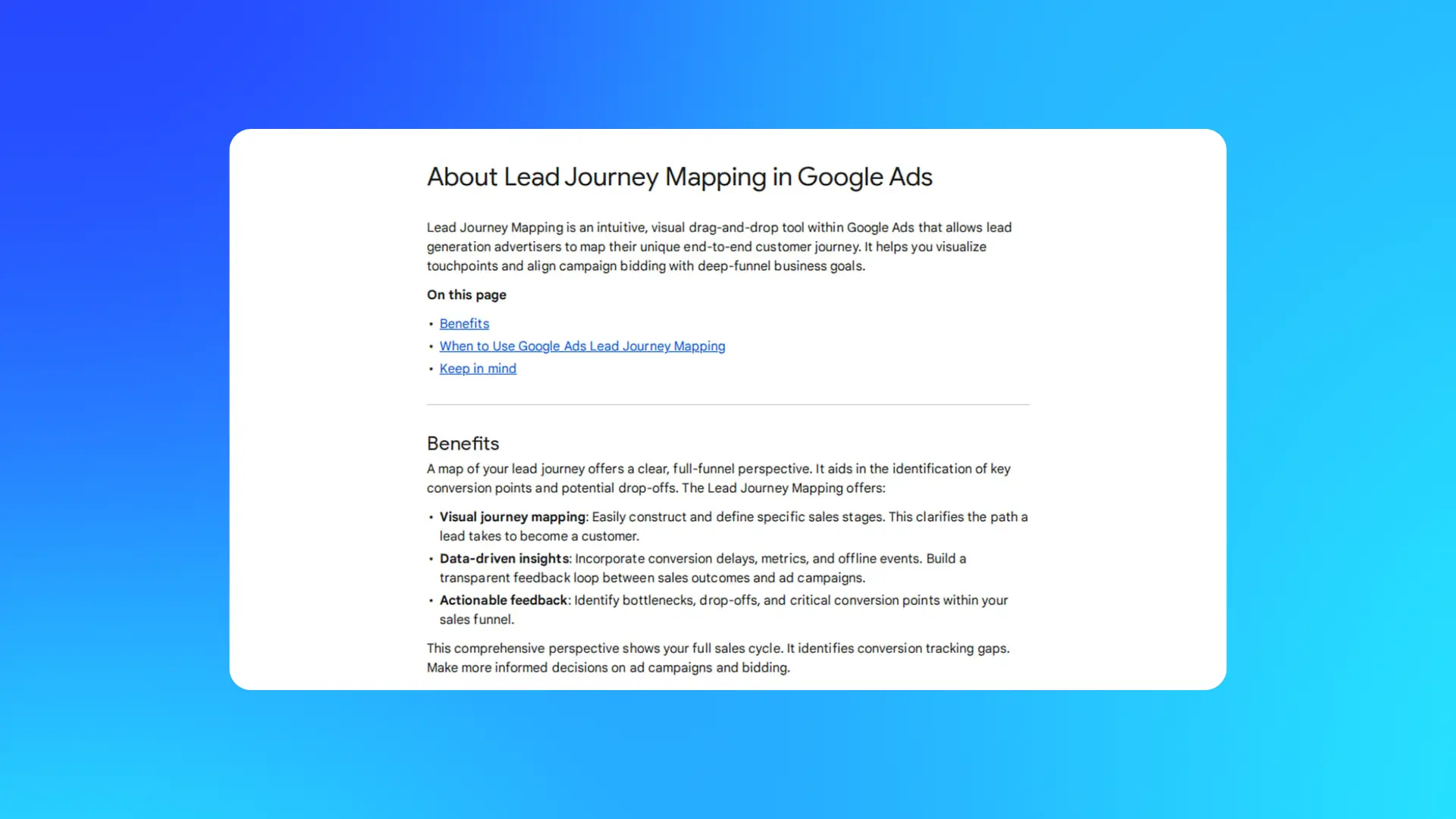
Google Ads has introduced Lead Journey Mapping, a visual tool designed to help lead generation advertisers define the stages customers move through before converting.
The drag-and-drop interface allows advertisers to map an end-to-end journey and connect campaign activity with business outcomes. Google says the tool can provide actionable feedback and data-driven insights, helping businesses align bidding decisions with the stages that matter most.
This could be particularly useful for industries where the final conversion happens well after the first form submission. In areas such as finance, education, property and professional services, a lead may pass through several stages before becoming a customer.
The Gurus’ Take
Lead generation campaigns often optimise towards the easiest conversion to measure rather than the outcome that creates revenue. A campaign can deliver a high volume of inexpensive enquiries while producing very few qualified opportunities or completed sales.
Lead Journey Mapping could help advertisers define the difference between an enquiry, qualified lead, booked appointment, proposal and closed customer. That clarity matters because automated bidding performs best when Google receives accurate signals about lead quality, not simply form volume.
However, the map itself will not repair weak attribution. Businesses still need consistent customer relationship management data, reliable offline conversion imports and shared definitions between marketing and sales. Effective Google Ads services should connect campaign optimisation with genuine commercial outcomes rather than stopping at cost per lead.
Your Action Plan
- Define every meaningful stage between the first enquiry and the completed sale.
- Agree with sales teams on what qualifies as a valuable lead.
- Confirm that CRM stages are consistent and regularly updated.
- Import qualified lead and offline sales data into Google Ads where possible.
- Assign values based on lead quality and expected revenue.
- Compare campaign performance by qualified leads, not form submissions alone.
- Use the journey map to identify stages where prospects frequently drop out.
Google Softens Its Rules on Blocking Internal Search Results
Google has removed the explicit requirement to block internal search results pages from its current Search Essentials documentation. However, Google’s John Mueller says preventing these pages from being crawled generally still makes sense for technical and quality reasons.
Internal search functions can create an effectively unlimited number of URLs. Allowing Googlebot to crawl them may place unnecessary demand on the server and divert crawling away from more valuable pages.
There is also a potential quality and security concern. If users can generate indexable search pages containing irrelevant, pharmaceutical, casino or adult-related terms, those URLs could appear to Google like hacked or spammed content. This may create Search Console warnings and affect the site’s visibility.
The Gurus’ Take
The removal of a formal requirement should not be interpreted as encouragement to index every internal search page. For most websites, these URLs provide a poor search experience, duplicate existing category or content pages and consume crawling resources without generating meaningful organic value.
Some carefully controlled search or filtered pages may deserve indexation if they satisfy genuine demand and contain useful, stable content. That should be a deliberate SEO decision, not an accidental consequence of an unrestricted search function.
An experienced technical SEO audit service can determine whether internal search URLs are being crawled, indexed or exploited. Australian ecommerce and content-heavy websites should pay particular attention because large inventories and extensive search filters can create thousands of unnecessary URL combinations.
Your Action Plan
- Check robots.txt rules relating to internal search and filtered URLs.
- Search Google’s index for internal results pages from your domain.
- Review Search Console for crawl spikes, soft 404s, spam URLs or security warnings.
- Confirm that user-generated search terms cannot create indexable spam pages.
- Use canonical tags, noindex directives and crawl controls appropriately.
- Improve category and landing pages instead of relying on internal search pages to rank.
- Monitor server logs to see how much time Googlebot spends crawling low-value URLs.
Keep Your Marketing Ahead of the Platforms with Online Marketing Gurus
Google is blending AI, organic results, social content and paid advertising into a more connected discovery experience. As a result, businesses can no longer assess Search Engine Optimisation, Generative Engine Optimisation, Google Ads and social performance as entirely separate channels.
The opportunity lies in understanding how these touchpoints work together. That means strengthening website content for AI visibility, measuring social discovery through Search Console, maintaining accurate Shopping feeds, connecting lead data with campaign bidding and keeping technical SEO foundations clean.
Online Marketing Gurus is a results-driven Digital Marketing Agency with more than a decade of experience, 40+ industry awards and world-class specialists across SEO, paid media and emerging AI search. We turn platform changes into clear commercial strategies grounded in evidence, not guesswork. Contact our team today for a free strategy session valued at $4,000.

About the author
Read More Blogs
-
 10 minutes read
Are Your Search Campaigns Ready for the Google Ads Migration?

Last updated on:
-
10 minutes read
More AI In Search, More Ads In AI & More Choice For Social Users: This Week’s Updates
Last updated on:
-
Last updated on:



Stop Guessing What Your Marketing Should Do Next.
Your free $4,000 strategy session shows where your digital marketing is leaking performance across search, paid media, content and conversion. You leave knowing what to fix first and what a stronger strategy could produce.