
SEO vs PPC: Pros, Cons & Combining The Two


Last updated:
24 July 2025
|
14 minutes readKey Takeaways
- Comparison of organic SEO and paid PPC, highlighting their distinct strengths and limitations.
- Use SEO for long-term, cost‑effective results that cover the entire marketing funnel.
- Deploy PPC for immediate visibility, targeted traffic, and rapid conversion data.
- SEO demands ongoing effort, patience, and adaptation to algorithm updates.
- PPC requires continuous testing, budget management, and can lead to over‑reliance if neglected alongside SEO.
- Combine both strategies; dominate branded searches, migrate costly PPC keywords to organic, and align ads with SEO content across the buyer journey
Guide To Search Engine Optimisation (SEO) Vs Pay Per Click (PPC)
In the world of digital marketing, organic search engine optimisation (SEO) and pay-per-click (PPC) digital advertising often go side by side. If you’ve been trying to create a more competitive online presence for your brand, you might have been stumped weighing up SEO vs PPC ROI, the use cases and benefits of each strategy, along with their relevance for your business.
There are certainly plenty of comparison points when looking at organic SEO vs Google Ads and other paid strategies. However, viewing one as being better than the other would be a mistake. The truth is, your online brand presence can’t be truly optimised using either paid or organic channels but through a sophisticated approach that uses both.
Both organic Search Engine Optimization and paid channels like Google and Bing ads are essential to building your brand online and reaching all your target customers. At their best, they’ll work to support each other and drive conversions for your business in the most cost-effective way. Get the balance wrong, however, and you will waste money pursuing the wrong approach that can never deliver a good return on investment.
In this article, we’ll break down SEO vs PPC, the pros and cons of the two and how you can combine them to create a truly dominant digital strategy.
How SEO supports your business
SEO is the range of tools, techniques and technical elements one can use to create organic content deemed useful and authoritative to search engines like Google and Bing. These help pages rank highly for specific keywords or queries.
Ranking highly on a search engine’s results page (SERP) is an excellent way to drive organic traffic to your site and grow your business expansively since you’re directly in the path of interested consumers.
Generating relevant content for your industry sets you up as an authority in your field, giving you increased exposure to other potential audiences unreachable to you before.
Pros of SEO
- Long-term results — SEO can take longer to build than a plug-and-play paid ad strategy, but once set up, an organic strategy will deliver sustainable results that provide a significant return on investment.
- Cost-effective — SEO can be incredibly cheap compared to other marketing forms since you will be steadily growing your brand long after your initial investment.
- Targets every part of the funnel — From capturing users in their exploratory and research phases to meeting them when they’re ready to buy, SEO allows you to capture users at every single stage of the buyer’s journey.
- Builds your authoritativeness — Standing for Expertise, Authority and Trust, E-A-T is Google’s ranking factor that assesses your entire site for its quality and usefulness to users. SEO builds your trust and domain authority as an expert in your industry, which can passively boost the ranking of your pages across varied keyword searches.
Cons of SEO
- Vigilance — There’s no denying that staying on top of SEO and keeping the number 1 spot on Google requires updating and monitoring both on-page and technical SEO elements to keep up with the ever-evolving search engine algorithms. Even if you haven’t used black hat optimisation techniques, best SEO practices can change in ways that require you to respond quickly.
- Continuous investment — Naturally, this constant updating, maintenance and creation of new content require ongoing investment. You’ll need to budget for keeping up with Google’s changing guidelines and advance for SEO and PPC, which is generally a one-off campaign cost.
- Long-term strategy — SEO may win long-term results, but seeing them is a longer road. When investing in an organic strategy, it’s typical to wait six months to a year before seeing a payoff for your efforts.
The Google March core update and its impact on SEO
This recent google core algorithm update update in March aimed to reduce low-quality content and prioritise websites that offer genuine value to users. Websites with thin content, excessive automation or a focus on keyword stuffing likely experienced ranking drops. The update reinforces the importance of creating informative, well-researched content that establishes your brand as an authority in your field.
Here’s what you can do to optimise your SEO strategy:
- Content audit and refresh — Review your existing content. Identify thin pages or those lacking depth. Update them with fresh data, insightful analysis, and user-centric information.
- Prioritise Experience, Expertise, Authoritativeness and Trustworthiness (E-E-A-T) — Google emphasises E-E-A-T. Ensure your content showcases experience and expertise in your field. Cite credible sources, showcase author credentials and demonstrate authority through well-established information.
- Focus on user intent — Understand your target audience’s search intent. What questions are they trying to answer? Create content that directly addresses those needs with clear, concise language.
- Content variety — Go beyond blog posts. Consider infographics, explainer videos, case studies and other content formats that engage users in different ways.
How PPC supports your business
Pay-per-click is a form of advertising that appears on SERPs — the cost of which is calculated per click (i.e. the more relevant a PPC ad is, the more clicks on your ad it will generate and the cheaper it will be for advertisers). PPC ads require advertisers to bid on keywords in order to win the coveted spot at the top of a search results page.
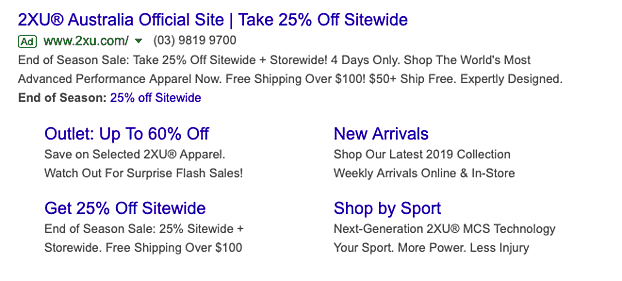
When you opt for PPC, your targeted traffic can go directly to your site since you will appear in the searches that matter to your business. With Google Ads and Bing Ads, you can show up at the very top of search engines, removing any barrier for users looking for fast and relevant results.
Pros of PPC
- Instant gratification — With a paid ad strategy, you’ll see results quickly, possibly even within the same day you launch your campaign.
- Better visibility — While SEO uses tools and techniques to hopefully push your site up the SERP and make sure you’re seen as quickly and easily as possible by users, PPC ads are the first thing desktop users see when their results load, meaning you’re likely to capture higher click through rates than an organic result in fourth or fifth place.
- Clicks with intent — Paid ads aren’t just getting click-throughs from users who can’t tell the difference between SEO and Google Ads either. Often, they’re deliberately chosen by users who have a high intent to buy, and they’re placed on high-intent commercial keyword SERPs in order to maximise your conversion rates.
- Valuable insights and data — Perhaps one of the biggest benefits of a paid ad strategy is that it can give you valuable insights into how your target consumers behave. Gaining data about which ads work the best allows you to craft a more insightful and targeted online marketing campaign or organic strategy for SEO.
Cons of PPC
- Slippery return on investment — By their nature, all PPC campaigns are paid, so you can end up spending a significant amount for a limited ROI, depending on many factors. That said, the ROI cannot be measured and may vary every time.
- Needs constant testing — To really hone your paid ad strategy, you will need to constantly test, update and optimise new ads and landing pages to find the most successful combination of factors. You’ll need to reserve a budget for this, as well as stay committed to testing and optimising with each new iteration of your campaign.
- PPC can foster complacency — Because paid ads offer instant gratification, it can be tempting to neglect other channels and become reliant on them for your digital strategy. However, an overreliance on the channel won’t create a solid brand impact or produce the sustainable results that set successful ventures apart. To do this, it’s crucial that you also have SEO and other online marketing strategies to balance out your efforts online.
SEO vs. PPC: Which Strategy is Best for Your Business?
When it comes to driving traffic to your website, two of the most common strategies are SEO (Search Engine Optimisation) and PPC advertising. Both have their advantages, but understanding how they work and when to use each can significantly impact your digital marketing success. Here’s a breakdown of SEO vs. PPC to help you decide which approach is best for your business.
- PPC Advertising: Immediate Traffic and Control: PPC advertising offers a quick way to drive traffic to your site by bidding on keywords and displaying ads in paid search results. With PPC offers, you can target specific keywords, control your budget, and see immediate results. The beauty of paid search is that you don’t have to wait for organic rankings to improve—you can start driving targeted traffic to your website as soon as your ads are live.
- Keyword Research and Targeting: Both SEO and PPC rely heavily on keyword research to identify the most relevant terms that potential customers are searching for. In PPC, you bid on keywords to appear at the top of search engine results for those terms, whereas SEO focuses on optimising your site’s content to improve its ranking organically. PPC offers the ability to target a wide range of keywords instantly, but it requires ongoing investment, while organic search results achieved through SEO tend to be more sustainable over time.
- Organic Search Results: Long-Term Strategy: Organic search results are the unpaid listings that appear in search engine results. SEO focuses on optimising your website’s structure, content, and backlinks to improve its ranking for target keywords. While it takes time and effort to see significant results with SEO, the benefits are long-lasting. Unlike PPC, which stops driving traffic once the budget runs out, organic rankings can continue to generate traffic over time without ongoing costs.
- Choosing Between SEO and PPC: The decision between SEO vs. PPC ultimately comes down to your business goals, timeline, and budget. PPC advertising is ideal for businesses looking to see immediate results, especially for time-sensitive campaigns or promotions. On the other hand, SEO is more beneficial for long-term growth, helping you achieve consistent organic traffic without the need for ongoing advertising spend.
Both strategies can work together—PPC offers can drive traffic while your SEO efforts work to build sustainable, long-term rankings. By combining PPC and SEO, you can maximise your visibility and attract a steady stream of potential customers.
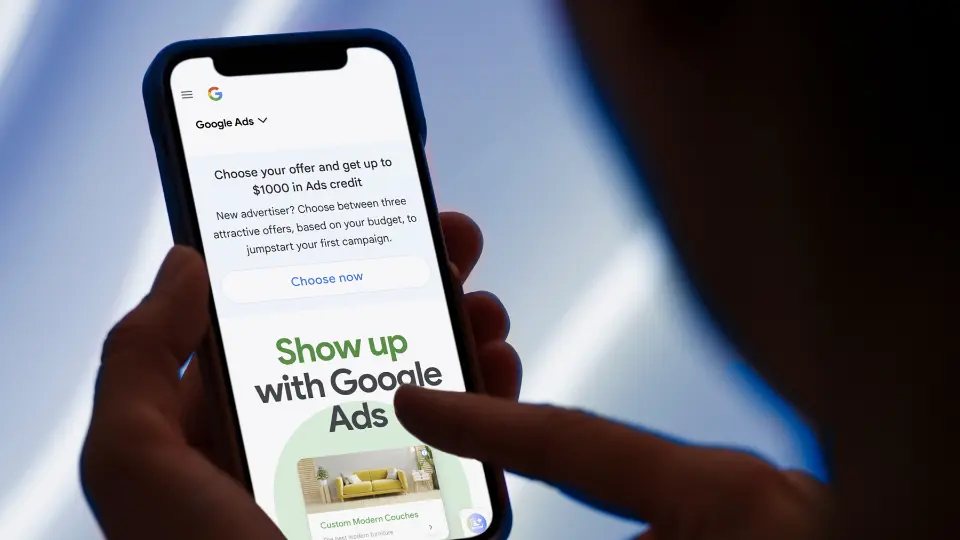
Google Ads 2024 updates and its impact on PPC
The world of PPC is constantly evolving, and 2024 has seen some significant updates to Google Ads that are impacting campaigns in exciting ways. Here’s a breakdown of the key changes and how they affect your PPC strategy:
- Super-sharp targeting — Reach users based on purchase intent, life stages and even income for laser-focused campaigns.
- AI-powered creation — Generate ad copy, optimise bids and even create visuals with AI tools such as ChatGPT and Google’s Bard AI, saving time and sparking creativity.
- Privacy-first focus — Track conversions without cookies using server-side tagging and stay prepared for the future with Google’s Privacy Sandbox initiatives.
These updates require PPC specialists to adapt their strategies. By embracing audience segmentation and leveraging AI tools to generate creative ideas and optimise ad / keyword bids, you can create more effective campaigns. Additionally, prioritising privacy-first solutions like server-side tracking and staying updated on Google’s Privacy Sandbox initiatives will prepare you for a cookie-less future.
Keep in mind that while AI can be a powerful tool for PPC campaigns, it’s important to remember that Google’s algorithms still prioritise high-quality, user-centric content. AI-generated ad copy may not always capture the nuances of human language or resonate deeply with your target audience.
SEO vs PPC or SEO and PPC: How / Can they work together
As you have no doubt noticed from the pros and cons when we compared SEO vs PPC, the areas where paid ads shine and where SEO really pays off are often in contrast to one another.
Where sophisticated digital strategies outperform more rudimentary approaches is in their use of both SEO and PPC together. When you get the two working together, the result is less effort and a higher payoff for your company.
Now that you know the pros and cons of paid PPC vs SEO which is organic, it’s time to look at the ways in which the two approaches work together to create a truly formidable online presence.
Crowd the SERPs on branded searches
With any SERP, your goal is to rank at the top page for all your branded terms. Realistically, it isn’t always possible to do so without combining organic SEO and PPC strategies. That’s why many companies would target competitors by purchasing paid ads on their branded terms.
Accordingly, you’ll need to invest in PPC on your branded search terms in order to mitigate this competition sniping. Fortunately, the relevance of your landing page to the search term generally means the first paid ad position will cost you significantly less than it would your competitors.
Move expensive PPC keywords to SEO
As we’ve mentioned, a paid ad strategy reveals a lot of valuable data for any business. After monitoring a live campaign for some time, you’ll be able to identify which ads are good converters and which generate a decent amount of clicks but don’t enjoy the same conversion rate.
If these are your more expensive ads, you can end up wasting a significant portion of your budget on keywords that don’t have high commercial intent or are targeting users at the very start of their buyer’s journey.
An expensive PPC keyword isn’t necessarily a bad one, though. Rather than leaving money on the table by continuing to shell out for these keywords with Google or Bing Ads, you can take a new approach by using SEO to target keywords with relevant on-page elements and content, articles and frequently asked questions.
Match organic results with PPC ads
Another way to create synergy between your SEO and PPC is to match your paid ads to SEO results that nurture buyers along the funnel. At the start of the journey to conversion, consumers will naturally start with less commercial and transactional comparison queries.
It’s here that SEO can capture your audience with targeted, informational and relevant results. As users move further down the funnel to seek out single products and services, PPC becomes a valuable tool in capturing consumers who are ready to buy.
As you gain more data from campaigns and better insights into your target customer, you can start matching your PPC ads with organic results that make sense to your typical buyer’s journey.
Combining the two means that you’re both offering the best possible solution to customers looking for answers and making sure that your ads appear on the right keywords to match your product or service offering.
Work with an expert SEO agency & PPC team that does it all
If you’re looking to level up your strategy with a search engine optimisation and PPC agency that understands how to boost your online profile in meaningful ways, Online Marketing Gurus got you covered.
Our team at Online Marketing Gurus don’t just divide up your budget and spend it on a combination of paid SEO and organic SEO. Instead, we take an integrated approach to your entire online presence, creating a PPC campaign and SEO strategy that work to enhance, not detract from, each other.
We understand the challenge of successfully bidding for keywords, optimising and reiterating a paid ad strategy, building long-term SEO results that respond to the latest algorithm changes and making sure that your PPC and SEO initiatives support one another.
No matter what your industry or your goals for growth are, weather you choose SEO vs PPC, rest assured our digital marketers know how to create a digital strategy that will have a tangible impact on your bottom line.
Want to become the industry leader in your field? Talk to one of our Gurus today, and discover how our global agency can design the right digital marketing strategy to send your profits sky-high.
You may also want to review: SEO vs PPC: Which Should I Invest In Now? | Top 5 PPC Tactics For Your 2025 Ad Campaigns

About the author
Read More Blogs
-
 10 minutes read
Are Your Search Campaigns Ready for the Google Ads Migration?

Last updated on:
-
10 minutes read
More AI In Search, More Ads In AI & More Choice For Social Users: This Week’s Updates
Last updated on:
-
Last updated on:


Stop Guessing What Your Marketing Should Do Next.
Your free $4,000 strategy session shows where your digital marketing is leaking performance across search, paid media, content and conversion. You leave knowing what to fix first and what a stronger strategy could produce.