

AGI / AIO: The Comprehensive Guide to Artificial Intelligence Optimisation

Last updated:
30 December 2025
|
17 minutes readKey Takeaways
- AIO (Artificial Intelligence Optimisation) refers to using AI to optimise content structure, search relevance, and user experience beyond traditional SEO.
- AI tools aid in personalised content, predictive analytics, voice search optimisation, and automation of SEO tasks.
- Techniques like grounding links, query fan-out, and AI bot scanning enhance how AI systems interpret site content.
- AIO complements SEO by improving AI-driven discovery in systems like generative answer engines (e.g., ChatGPT).
- Strategy balance: traditional SEO lays the foundation, while AIO adds efficiency, relevance, and future-proofing.
Unlock Smarter SEO: Understanding and Implementing Artificial Intelligence Optimisation Strategies
What is AIO (Artificial Intelligence Optimisation)?
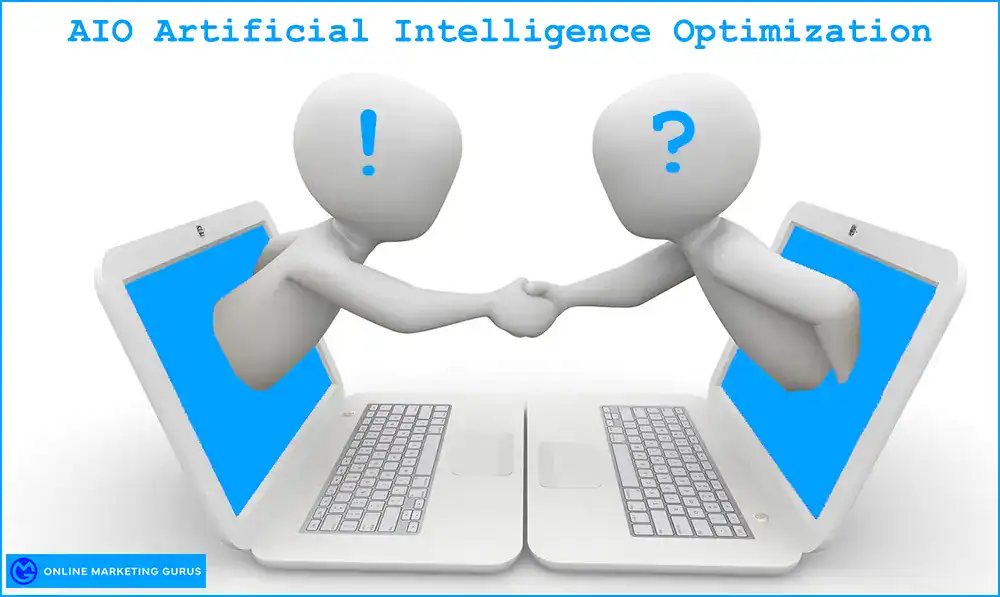
Artificial Intelligence Optimisation (AIO) refers to the use of AI technologies and machine learning algorithms to enhance the optimisation processes typically associated with Search Engine Optimisation (SEO). AIO focuses on applying AI to improve the way websites and content are ranked, understood, and presented in search engine result pages / SERPs. While SEO traditionally relies on manual input, keyword research, and optimisation techniques, AIO leverages AI’s ability to process vast amounts of data, identify patterns, and predict user behavior.
In the context of SEO, AIO aims to provide more personalised, intuitive, and efficient optimisation methods by enhancing the user experience, refining content, and delivering tailored online search results based on sophisticated AI models. The goal of AIO is to make the process of optimising a website smarter and more responsive / adaptive, responding to evolving search algorithms, user preferences, and content dynamics.
What is a Good AIO Strategy?
A good AIO strategy focuses on integrating AI-driven tools and insights into the overall website optimisation process. This strategy goes beyond traditional SEO by using AI to enhance and streamline tasks like keyword research, content creation, and personalisation.
Here are a few key elements of a strong AIO strategy:
- Content Personalisation: Use AI tools to understand user behavior and preferences. Tailor content to individual users based on their search intent, interests, and location, delivering personalised experiences that drive engagement.
- Predictive Analytics: Utilise AI-powered predictive models to forecast trends and user behavior. This can help optimise content before demand peaks, ensuring you stay ahead of competitors.
- AI-Powered Keyword Research: Employ AI tools to uncover high-performing, long-tail keywords that might not be obvious through traditional methods. AI can analyse vast amounts of data to identify opportunities that would otherwise be missed.
- Voice Search Optimisation: With the rise of AI-driven voice assistants like Google Assistant, Siri, and Alexa, optimising website content for voice search is critical. This involves tailoring your content to answer questions in a conversational style and ensuring your website is mobile-friendly and fast-loading.
- Automation of Routine Tasks: AI can automate many repetitive tasks involved in SEO, such as tracking ranking changes, reporting, and even adjusting on page SEO elements such as meta tags. This frees up time for strategic decision-making.
- Continuous Optimisation: A good artificial intelligence optimisation strategy involves leveraging AI to constantly refine and improve website content, technical site and SEO aspects and your website’s user experience. AI can analyse user behavior and make suggestions for improvement on an ongoing basis.
What Is an Example of AIO?
An example of AIO in action is the use of AI-powered content creation tools like Jarvis (Jasper) or Frase, which help generate SEO-optimised content quickly and efficiently. These tools use machine learning and natural language processing to create high-quality articles, blogs, or product descriptions that are tailored to meet user intent and optimise for search engine algorithms.
Another example of artificial intelligence optimisation is using AI-powered chatbots like Drift or Intercom on websites to enhance user experience. These chatbots use AI to understand user queries and provide personalised responses, leading to improved engagement and higher conversion rates.
Is Search Engine Optimisation the Same as Artificial Intelligence Optimisation?
While SEO and AIO share a similar goal—optimising a website to rank higher in search engine results—they are not the same. SEO is a broader set of strategies and techniques that focus on improving a website’s visibility in search engines, primarily through keyword targeting, content optimisation, backlinks, and technical adjustments.
AIO, on the other hand, incorporates artificial intelligence to optimise SEO efforts. SEO is the foundation, and AIO is an advanced, AI-driven approach that automates, refines, and enhances the process.
Here’s a comparison of SEO vs AIO:
- SEO: Manual keyword research, link building, content optimisation, and technical SEO practices.
- AIO: AI-powered tools that help automate SEO tasks, predict trends, personalise content, and refine search algorithms based on user behavior, improving the accuracy and efficiency of SEO efforts.
In essence, while Artificial Intelligence Optimisation leverages the core concepts of SEO, it integrates AI to make these tasks more intelligent, responsive, and adaptable.
How to Optimise a Website for AIO?
Optimising a website for AIO involves focusing on AI-driven techniques that can enhance things like lead generation, content and technical aspects of the site.
Here’s how to approach AIO optimisation:
- Leverage AI for Content Creation: Use AI tools like natural language processing (NLP) to create content that is not only relevant but also optimised for user intent. AI can help ensure that content meets the needs of users, improving engagement and conversion rates.
- Utilise AI for Personalisation: Implement AI systems that personalise the user experience. This can include personalised recommendations, tailored landing pages, and content suggestions based on past behavior or preferences.
- Enhance User Experience (UX): AI can help improve website UX by predicting user behavior and optimising navigation, site speed, and website responsiveness across all devices. Machine learning algorithms can predict the most efficient paths a user may take through your site, enhancing overall site structure.
- Focus on Voice Search: With AI-driven voice assistants on the rise, optimising content for voice search is crucial. Ensure your content is structured in a conversational, question-answer format to cater to voice search queries.
- Use AI for Data Analysis: Use AI-powered tools to analyse user data and gain insights into how people interact with your site. This can help you refine your SEO strategy, make real-time adjustments, and improve content targeting.
- Automate Routine SEO Tasks: AI tools can automate tasks such as keyword tracking, content auditing, and backlink analysis. This reduces manual work and allows you to focus on more strategic aspects of optimisation.
Why Does Google Serve Different Results in AIO vs SEO SERPs?
Google’s results in AIO and SEO may differ because AI can personalise and adapt results based on factors that SEO alone cannot account for. SEO-focused results are generally based on ranking algorithms that prioritise factors like keyword relevance, backlinks, and technical optimisation.
However, with AI, Google can factor in:
- User Intent: AI allows Google to better understand the user’s intent behind a query, presenting more personalised results, even if they don’t strictly adhere to SEO rules. For example, a search engine like Google might provide local search results or personalised answers based on search history or preferences.
- Behavioral Signals: AIO can help Google adjust results based on how users interact with them. For instance, if users consistently click on certain types of content, AI can refine the ranking of those results accordingly.
- Contextual Relevance: AI can evaluate a query’s context more deeply, understanding nuances in language and serving results that are more tailored to the user, which may not always align with traditional SEO ranking factors.
In summary, SEO results are more universal and focus on ranking algorithms, while AIO involves a dynamic, personalised approach that adapts to individual user needs and behavior.
What Is AIO Optimisation?
AIO optimisation refers to the practice of using AI to enhance the optimisation of websites, content, and digital marketing efforts. Unlike traditional SEO, which involves manual tasks like keyword research and backlink building, AIO optimisation leverages AI tools to automate and enhance the process.
This involves using machine learning algorithms to optimise content, predict trends, personalise user experiences, and automate repetitive tasks. The goal of AIO optimisation is mostly to make your website more adaptive, efficient, and responsive to both user needs and search engine algorithms.
Is AI Replacing SEO?
While AI is transforming how SEO is performed, it is not replacing SEO altogether. AI enhances SEO practices by automating repetitive tasks, improving content quality, predicting user behavior, and personalising the user experience. However, SEO still requires human input for strategic decision-making, creative content development, and adapting to new algorithm updates.
AI’s role in SEO is more about augmented intelligence, which supports SEO service provider and professionals in their efforts rather than replacing them. For instance, AI tools can suggest keywords or analyse user data, but humans still need to make final decisions about strategy, content creation, and link building.
In essence, AI is transforming SEO into a more efficient and intelligent process, but the human element remains essential for the creative and strategic aspects of optimisation.
This expanded explanation should give a thorough understanding of AIO and its relationship with SEO, the strategies for optimising websites, and the evolving role of AI in the world of SEO. Let me know if you need further clarification on any points!
Should Businesses Focus on Search Engine Optimisation or Artificial Intelligence Optimisation?
The decision between focusing on SEO or AIO depends on the specific goals and needs of a business. Both strategies have their own merits, and many businesses are integrating both to enhance their digital marketing efforts.
Focus on SEO if:
Your primary goal is to improve organic search rankings, traffic, and visibility through traditional SEO methods such as keyword research, on-page optimisation, and backlink building.
You’re in a competitive industry where high-quality, long-term SEO efforts can establish your site’s authority and drive organic growth.
You want to adhere to the traditional best practices that search engines like Google and Bing have relied on for years, including metadata, site structure, and content optimisation.
Focus on AIO if:
Your business is looking to leverage the latest technology to optimise not just for search engines, but also for user intent, predictive behavior, and personalised experiences.
You need to keep up with fast-evolving user behaviors and search engine algorithms, where AI can provide more accurate, context-aware optimisations.
You want to automate time-consuming SEO tasks and increase efficiency with AI tools that can analyse large amounts of data, deliver insights, and adjust optimisation in real-time.
In many cases, integrating both Search Engine Optimisation and Artificial Intelligence Optimisation into your digital marketing strategy provides the best of both worlds, as AI-driven tools can complement and enhance traditional SEO tactics, allowing for smarter, data-driven decisions.
In SEO and Digital Marketing AIO, What Does “Grounding Links” Mean?
In SEO and Online Digital Marketing using AIO, “Grounding Links” refers to the process of ensuring that external or internal links on a website are contextually relevant, high-quality, and trusted. This technique emphasises connecting content with authoritative, well-established pages or sites that are seen as credible by search engines.
The term “grounding” typically involves using AI to evaluate the relevance and quality of the links in real-time, rather than relying on traditional link-building tactics alone. This process helps search engines (and AIO systems) understand the context of the link, the trustworthiness of the website linking to it, and how it aligns with the content’s overall subject matter.
For example, when grounding links, AI might identify which outbound links contribute the most value to a particular webpage based on its content. AI can prioritise links from sources with high domain authority, ensuring that the linking process aligns with user search intent and SEO best practices.
Are Search Engine Bots the Same as AI Bots?
Search engine bots and AI bots are similar in some respects, but they have distinct functions and capabilities.
Search Engine Bots: Also known as crawlers, spiders, or web crawlers, these bots are used by search engines (like Google, Bing, etc.) to index websites by crawling web pages and collecting data about their content. The primary goal of search engine bots is to gather information that can later be used to rank and serve web pages in search results. They are built to understand content based on set algorithms and ranking factors, like keyword presence, backlinks, and technical structure.
AI Bots: AI bots, on the other hand, are intelligent software systems that simulate human-like interaction using artificial intelligence and machine learning. AI bots go beyond the simple task of crawling and indexing. They can analyse, interpret, and make decisions based on the data they collect. AI bots can be found in customer service (chatbots), predictive tools, and content generation systems. Their main function is to interact with users, adapt to new inputs, and provide personalised experiences or answers based on the data they’ve processed.
While both types of bots gather and process data, search engine bots are focused solely on indexing and ranking content for search engines, whereas AI bots are capable of much more dynamic, responsive tasks based on data and user interactions.
What is and How to Improve Improved AI Bot Scanning?
Improved AI bot scanning refers to the process of artificial intelligence optimisation using AI-powered bots to scan, analyse, and evaluate content on websites more intelligently and accurately than traditional bots. AI bots can learn from patterns and predict how content should be categorised, ranked, or optimised based on user interaction and behavior.
To improve AI bot scanning, businesses can:
- Focus on Structured Data: Using schema markup and structured data (like JSON-LD or microdata) helps AI bots understand the context of a page’s content, making it easier for them to accurately scan and categorise.
- Optimise for User Intent: AI bots are highly attuned to user intent, meaning your content should address the specific needs of the user. Create content that answers questions, solves problems, and anticipates future user behavior.
- Improve Page Speed: Optimise for faster loading website times to improve the scanning efficiency of AI bots and also provide a better user experience. Since AI bots also analyse site performance, faster pages are likely to rank better.
- AI-Driven Content Creation: Using AI tools like natural language generation (NLG) can help improve content quality, ensuring it aligns with what AI bots recognise as valuable and relevant to users’ queries.
- Enhance Mobile Usability: With mobile-first indexing becoming more important, ensuring that AI bots can effectively scan and analyse mobile versions of your site will positively impact your rankings.
What Is AI Overviews in SEO?
AI Overviews in SEO refer to the ability of AI-powered tools to provide comprehensive insights and recommendations for improving a website’s SEO. These tools use machine learning to scan a website’s content, technical setup, and backlinks, and then generate overview reports that highlight areas for improvement.
The AI overview typically includes:
- Content recommendations based on keyword analysis and search trends.
- Technical SEO audits identifying potential issues such as broken links, slow load times, or improper tagging.
- On-page SEO suggestions, such as adjustments to headings, meta descriptions, and internal linking.
- Competitor analysis, helping businesses understand how they stack up against competitors in terms of keyword performance and content relevancy.
AI Overviews help streamline SEO processes, making them faster and more effective by prioritising tasks that will yield the highest return on investment.
In AIO, What Does “Predictive Summaries” Mean?
In the context of artificial intelligence optimisation, predictive summaries refer to AI-generated content that anticipates the needs of users based on patterns in their behavior, search history, or preferences. Essentially, AI uses historical data to predict what users will be looking for and provides summaries of relevant information before they even finish their search.
For example, a predictive summary could be an AI-driven snippet that directly answers a user’s question by summarising the most relevant content before they even have to click on a link. This is often seen in Google’s Featured Snippets, where AI predicts the most likely answer to a query and presents it at the top of the search results.
Predictive summaries can also be used in content marketing and blog posts, where AI generates summary sections at the beginning of the article, predicting what the reader will find most useful based on the type of query they used to land on the page.
What Is the Query Fan-Out Technique?
The Query Fan-Out Technique refers to a method used in search engines and AI optimisation to handle complex queries more efficiently. It involves breaking down a broad or multi-faceted search query into multiple, more specific sub-queries, which can then be processed in parallel to provide faster, more accurate results.
For example, if a user searches for “best coffee machines for home use,” a search engine or AI-powered system might break that query into several sub-queries.
Some Examples:
- Best coffee machine reviews
- Coffee machines for home use
- Affordable coffee makers
- Top-rated brands for coffee machines
Each sub-query is processed separately, and the results are then compiled and presented as a more comprehensive, tailored answer to the user’s original query.
This technique allows AI bots and search engines to handle more complex or broad queries effectively, improving the speed and relevance of the results.
Google DeepMind’s Plan for AGI: What Marketers Need to Know
Google DeepMind has recently shared its ambitious plans for Artificial General Intelligence (AGI), a form of AI that is as capable as a human in many tasks. The company predicts that AGI could be a reality by 2030. This news is making waves in the tech world, and marketers should pay attention to what it could mean for the future of advertising and digital strategies.
What is AGI and Why Does it Matter?
AGI refers to AI systems that aren’t just good at one specific task, like playing chess or recognising faces, but can understand and perform a wide range of activities that humans do. While AI today is powerful, it’s still “narrow”—meaning it excels in one area but doesn’t have the ability to think or reason like a person across different situations. AGI would change that by bringing more human-like intelligence to AI systems, making them much more versatile.
The Risks and Challenges of AGI
While AGI promises a lot of potential, it also brings a number of risks. DeepMind has highlighted that AGI could cause problems if it is not developed carefully. Some of the risks include AI being misused, acting in ways that don’t align with human values, or even causing accidents due to its complex nature. DeepMind is focused on making sure AGI is developed responsibly, by planning ahead for these challenges, working with other experts, and ensuring AI systems are easy to understand and trust.
How AGI Will Impact Marketing
For marketers, the arrival of AGI could be a game changer. First, it could provide much deeper insights into consumer behavior, allowing businesses to create more personalised and targeted campaigns. With AGI’s ability to analyse large amounts of data quickly, marketing strategies could be adapted in real-time to match what customers want.
Additionally, AGI could change how content is created. AI tools could write articles, generate advertisements, or even design visuals, all while understanding context and emotions better than current systems. Marketers would be able to produce highly relevant content more efficiently, connecting with their audience on a deeper level.
Lastly, AGI could help marketers make smarter decisions. From understanding market trends to predicting future demands, AGI could offer insights that were once thought impossible. By using these insights, businesses could make more informed choices about where to spend their marketing budgets and how to approach their strategies.
Staying Ahead of the Curve
While AGI might sound far off, it’s clear that it will change how businesses operate, and marketers need to be ready. By understanding these developments, marketers can stay ahead of the curve and start thinking about how they can responsibly integrate AI into their strategies. As AGI moves closer to becoming a reality, those who prepare now will be best positioned to take advantage of the opportunities it brings.
DeepMind’s approach to AGI is cautious and focused on safety, aiming to create AI that works for the benefit of all. For marketers, it’s important to follow these developments, because the future of AI models such as ChatGPT’s SearchGPT / Artificial Intelligence Optimisation and marketing are closely linked, and the right preparations now could lead to big rewards down the road.
Need help with SEO, Online Digital Marketing and any aspect of websites from site development and design and getting your ecommerce website to rank higher is the search engine results? Then contact us to and lets get the ball rolling.

About the author
Read More Blogs
-
 10 minutes read
Are Your Search Campaigns Ready for the Google Ads Migration?

Last updated on:
-
10 minutes read
More AI In Search, More Ads In AI & More Choice For Social Users: This Week’s Updates
Last updated on:
-
Last updated on:



Stop Guessing What Your Marketing Should Do Next.
Your free $4,000 strategy session shows where your digital marketing is leaking performance across search, paid media, content and conversion. You leave knowing what to fix first and what a stronger strategy could produce.