

How To Use Log File Analysis To Improve Search Engine Rankings


Last updated:
7 July 2025
|
9 minutes readKey Takeaways
- Log file analysis is reviewing server logs to see exactly how search engines crawl and access site content.
- Crawl data reveals which pages get frequent visits, crawl errors, and redirect issues.
- Identifying orphaned or deeply nested pages helps improve internal linking strategies.
- Crawl frequency and patterns can signal content importance or resource waste.
- Insights inform robots.txt, sitemap updates, and technical optimisation priorities.
Log File Analysis Guide for Better Rankings
If you’re looking to take your technical SEO to the next level, one of the most powerful (yet often overlooked) tools in your arsenal is log file analysis. While keyword strategies, securing and building links from high value websites and content / on-page search engine optimisation usually steal the spotlight, understanding what search engines are actually doing on your site when they crawl it can reveal invaluable insights.
At Online Marketing Gurus, we’ve seen firsthand how SEO log analysis can dramatically improve site page crawling efficiency, indexation and overall organic performance. In this blog post, we’ll walk you through what log file analysis is, why it’s so critical for SEO, which tools you should consider and how to uncover issues that could be holding your site back.
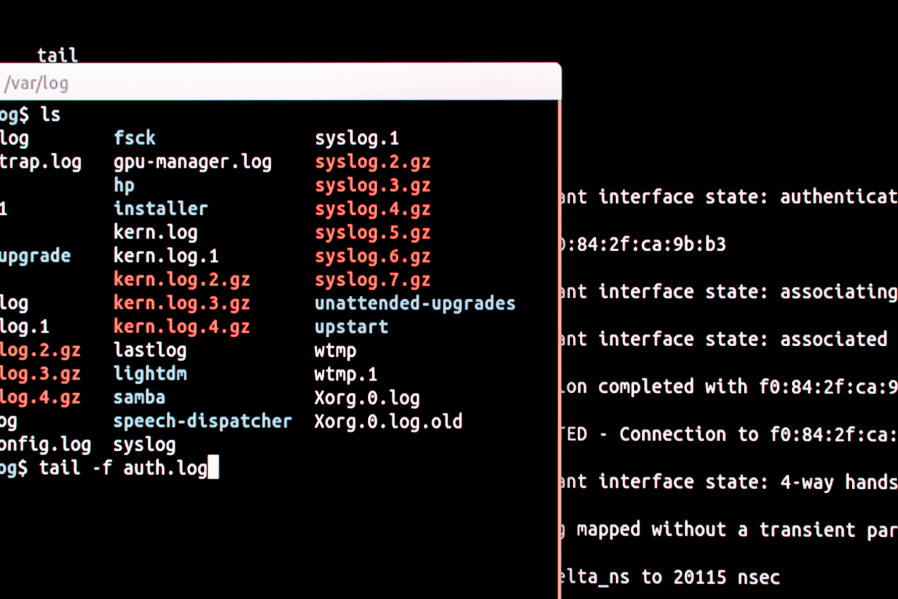
What is Log File Analysis?
Let’s start with the basics.
A log file is a raw server file that documents every request made to your website, whether it’s a human visitor or a bot. Each line in the log contains useful technical data, such as:
- IP address
- Timestamp
- User-agent (identifying the crawler or browser)
- Requested URL
- HTTP status code (200, 301, 404, 500, etc.)
- Bytes transferred
- Referrer
Log file analysis is the process of extracting and examining this information to uncover how search engine crawling bots, like Googlebot, interact with your website.
This is not a simulation. Unlike SEO tools that crawl your site and guess how bots behave, log file analysis gives you the actual footprint of crawler activity.
Why Log Files are Critical for SEO
Log files don’t lie. They provide the most accurate way to understand how your site is viewed and navigated by search engines. Here’s why they’re essential for effective technical SEO:
1. Identify crawl budget waste
Crawl budget is the number of pages a search engine crawler will crawl on your site within a given timeframe. For large or frequently updated websites, this is crucial. If Googlebot is stuck crawling irrelevant content like:
- Pagination pages
- Duplicate URLs and slugs with tracking parameters
- Outdated content
- Internal search result pages
This means that your important pages, including product pages, blog content and service pages, might not get crawled or indexed in a timely manner. Let’s take a look at an example below:
Let’s say an eCommerce client has hundreds of category filters generating thousands of URLs. Following SEO log analysis, it’s revealed Googlebot was heavily crawling these faceted URLs, so they opt to block them with robots.txt and redirected crawl focus towards revenue-driving pages. As a result, the site may benefit from an increase in organic traffic, boosting their online rankings.
2. Discover under-crawled pages
If certain high-value pages aren’t appearing in your log files, that means they’re not being crawled regularly — or at all. This often indicates a deeper issue such as poor internal linking, incorrect canonical tags or sitemap exclusions.
3. Pinpoint status code issues
Log files reveal how often Googlebot hits broken links (404s), server errors (5xx) or endless redirect chains. If left unresolved, these can all reduce crawl efficiency and harm user experience, which can contribute towards declining SEO rankings.
4. Detect orphaned pages
Sometimes pages are indexed but not linked anywhere internally – these pages are called “orphaned pages”. Orphaned pages often go unnoticed in standard audits but show up in log files if crawled by bots. Addressing them ensures crawl equity isn’t wasted.
5. Monitor post-migration activity
After a site migration, relaunch or redesign, you can use log file analysis to ensure bots are successfully finding your new content and avoiding legacy errors or outdated URLs.
Five Recommended Tools for Effective Log File Analysis
While you can technically read raw log files in a text editor, this becomes unsustainable quickly, especially for sites with thousands (or millions) of URLs. Here are the best tools to streamline your SEO log analysis:
1. Screaming Frog Log File Analyser
Screaming Frog’s tool is a standalone program that ingests log files and visualises crawl data. It allows you to:
- Filter bot types (Googlebot, Bingbot, etc.)
- View crawl frequency per URL
- Check crawl responses (404s, 500s, etc.)
- Compare crawled URLs to your sitemap or list of indexed pages
Best for: SEOs and technical teams of all sizes
2. Botify
Botify combines site crawl data, server logs and analytics in one platform. It highlights crawl-to-conversion paths and provides predictive modelling to estimate how changes will impact organic visibility.
Best for: Enterprise SEO and large websites
3. OnCrawl
This tool connects log files with backlink and performance data to identify crawl inefficiencies. It also offers machine learning features to prioritise SEO fixes.
Best for: eCommerce and content-heavy sites
4. SEMRush Log File Analyser
Free and easy to use, it offers basic insights such as most/least crawled URLs, status codes and bot types. While not as comprehensive as premium tools, it’s a great entry point for those new to Search Engine Optimisation / SEO strategies and in general.
Best for: Smaller websites and beginners
5. ELK Stack (Elasticsearch, Logstash, Kibana)
This open-source stack enables high-volume log ingestion and custom dashboards. It’s ideal for real-time SEO monitoring at scale, though it requires setup and ongoing maintenance.
Best for: Tech-savvy teams with developer support
How to Conduct Log File Analysis to Identify Crawling Issues
Once your logs are uploaded and parsed through a tool, use the following workflow to easily identify crawling issues:
Step 1: Filter by search bots
Focus only on traffic from Googlebot, Bingbot and other major search engines. This ensures your analysis is relevant to search engine crawls and not skewed by user behaviour.
Step 2: Group by status codes
Organise log data by HTTP status codes:
- 200 OK: Crawled successfully
- 301/302: Redirects, which means too many in a chain and can result in inefficient crawling
- 404/410: Not found and leads to crawl waste
- 500/503: Server errors and can temporarily block bots
Aim to minimise errors and shorten redirect chains wherever possible.
Step 3: Match against sitemap
Cross-reference your xml sitemap with URLs being crawled. Are priority pages being missed? Are outdated or deleted pages still being hit?
Step 4: Track crawl frequency
Are some pages crawled daily while others go untouched for weeks? Log files let you spot patterns that suggest crawl prioritisation or neglect.
Step 5: Find crawl waste
Pages like cart URLs, user login pages, internal search results and filtered product pages often shouldn’t be crawled. Use log data to identify and exclude them using robots.txt or noindex.
Actionable Insights and Easy Fixes for Better SEO Performance: Our Top Recommendations
With log file analysis at your disposal, opportunities to polish your SEO strategies are endless. Here’s how to turn your findings into real SEO wins:
- Block irrelevant URLs: Use robots.txt or noindex tags to block crawling of thin, duplicate or low-value pages like tag pages or internal search results.
- Fix crawl errors: Patch up broken links, fix server errors and simplify redirect chains. A clean crawl path ensures bots reach more important content faster.
- Strengthen internal links: If important pages aren’t being crawled, improve their internal link presence by placing them in navigation or footers or linking them from high-traffic blog content.
- Clean up sitemaps: Remove outdated or low-priority pages from your sitemap to ensure Google spends time on what matters most.
- Use canonical tags wisely: If your site has duplicate or near-duplicate content, use canonical tags to guide bots towards the preferred version and avoid wasting crawl budget.
- Monitor crawling over time: SEO is not a one-and-done deal. Regularly conduct log file analysis to ensure you stay ahead of new issues and maintain peak site health.
Tools That Complement Log File Analysis
While log file analysis provides valuable insight into how bots crawl your site, it can work even better when paired with other SEO tools that offer context around indexation, visibility, content performance and technical health.
Here are a few tools that can help complement and enhance your log analysis workflow:
Google Search Console
Google Search Console (GSC) offers a look at your site’s performance in Google’s search results. It helps validate the impact of changes made based on log file insights.
How it complements log analysis:
- Compare actual crawl data with indexed vs. non-indexed pages
- Monitor submitted vs. indexed sitemap URLs
- Track crawl anomalies and mobile usability issues
- Identify pages with indexing issues or manual actions
Google Analytics/GA4
Google Analytics tracks user behaviour and what visitors do once they land on your site.
How it complements log analysis:
- See which crawled pages also attract organic traffic
- Identify pages that are crawled but underperforming
- Monitor bounce rates and engagement for SEO-priority pages
Ahrefs, SEMrush or Moz
These are industry-leading SEO suites for backlink analysis, keyword tracking and competitive research.
How they complement log analysis:
- Identify backlinks pointing to pages bots aren’t crawling
- Align your crawl optimisation with high-ranking or link-heavy pages
- Benchmark performance against competitors
Want Better Rankings? Start With Log File Analysis.
Log file analysis is the ultimate X-ray into how search engines crawl your website. It exposes blind spots, wasted crawl budget and technical issues that might be silently sabotaging your SEO efforts. Whether you’re an eCommerce giant, a SaaS startup or a content publisher, improving how bots interact with your site can make or break your organic visibility.
At Online Marketing Gurus, we specialise in uncovering these hidden insights through advanced SEO log analysis, combined with a full-stack digital marketing strategy. From technical SEO to content marketing and PPC, we’ve helped thousands of businesses grow with data-driven strategies.
With over 200 SEO agency services specialists working to help your business thrive, you can rest easy knowing you’re partnering with one of the best digital marketing agencies in Australia.
Get in touch with Online Marketing Gurus for a complimentary website audit or strategy session and let’s unlock the full potential of your site.

About the author
Read More Blogs
-


Last updated on:
-
Last updated on:
-
 11 minutes read
Google’s Fourth Spam Update of the Year Landed, and Search Console Got Multimodal Filters
Last updated on:




Stop Guessing What Your Marketing Should Do Next.
Your free $4,000 strategy session shows where your digital marketing is leaking performance across search, paid media, content and conversion. You leave knowing what to fix first and what a stronger strategy could produce.