






 1300 433 071


- Home
-

- Blog
-
- News & Industry Updates
-
- AI Mode Direct Offers Ads, UCP & More Digital Marketing Updates
AI Mode Direct Offers Ads, UCP & More Digital Marketing Updates
These early January updates point to a clear pattern rather than isolated changes. Search visibility is being rebalanced, ad platforms are giving more control to automation and AI-driven discovery is moving closer to real commercial outcomes.
These changes may not be dramatic on their own, but together they show a steady shift in how trust and performance are assessed.
Key Takeaways
-
Search and ad platforms are constantly adjusting how visibility and performance are measured, so long-term stability matters more than reacting to every update.
-
As AI becomes more embedded across search, ads and commerce, results depend on how well automation is managed, not how quickly it is turned on.
-
AI-driven features are already influencing how people discover businesses, products and local services, even though measurement is still evolving.
-
Better attribution and testing tools are helping, but only when teams use the data carefully and consistently.
-
Disjointed or volume-first strategies are becoming less effective as platforms reward clarity, relevance and intent.
This week’s digital marketing updates highlight where these changes are already affecting results, where testing is still limited and where businesses should pay attention before performance impacts become harder to reverse.
Google AI Mode Direct Offers Ads & Universal Commerce Protocol
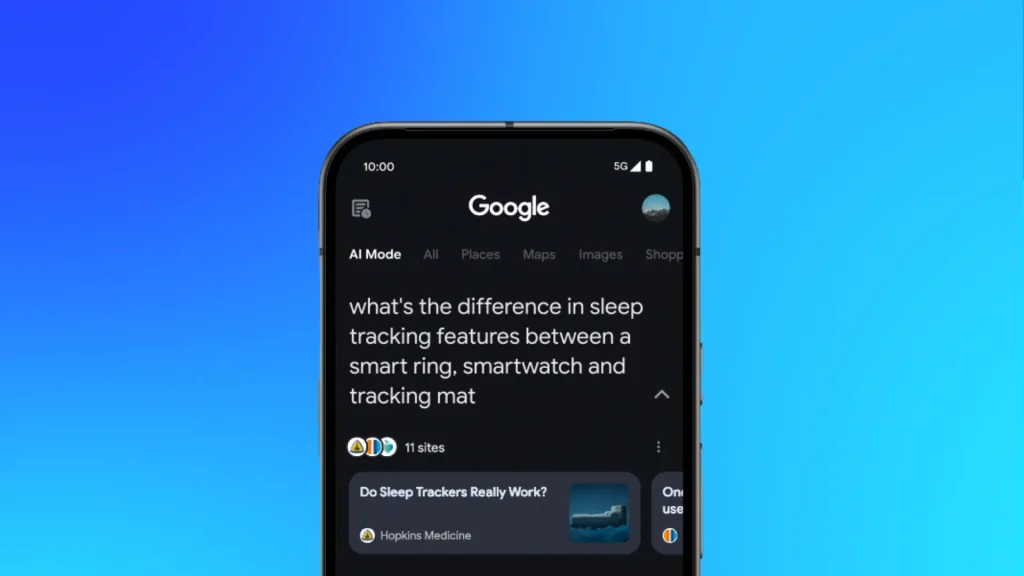
Google has announced a major expansion of AI-driven commerce with the introduction of Direct Offers Ads in Google AI Mode, alongside a new open standard called the Universal Commerce Protocol (UCP). Direct Offers enable retailers to surface verified discounts directly within AI-generated search experiences when users show high purchase intent. At the same time, UCP provides a standardised framework that allows AI agents to complete transactions on behalf of users across Google AI Mode, Gemini and future AI-powered environments.
According to Google, the Universal Commerce Protocol is designed to simplify agentic commerce by eliminating the need for individual platform integrations. This gives merchants the option to support direct purchasing through AI interfaces while still maintaining traditional e-commerce and physical retail channels. As Google leadership has stated, AI shopping is an additional pathway, not a replacement for existing consumer behaviour.
The Gurus’ take
This is a meaningful step toward AI-enabled transactions, but not a threat to search. Google AI Mode and UCP expand how commercial intent is captured rather than shifting it entirely. For digital marketing teams, the focus should be on readiness, not urgency. Importantly, Google has reinforced that SEO remains relevant, with retailers encouraged to support multiple discovery and purchase paths rather than rely on a single channel.
Your action plan
- Assess whether the e-commerce infrastructure can support future UCP adoption.
- Ensure product data, promotions and feeds are accurate and well-governed.
- Plan for AI-assisted buying as an extension of existing search and e-commerce strategy.
Google Targets Prediction News Content in Search and News
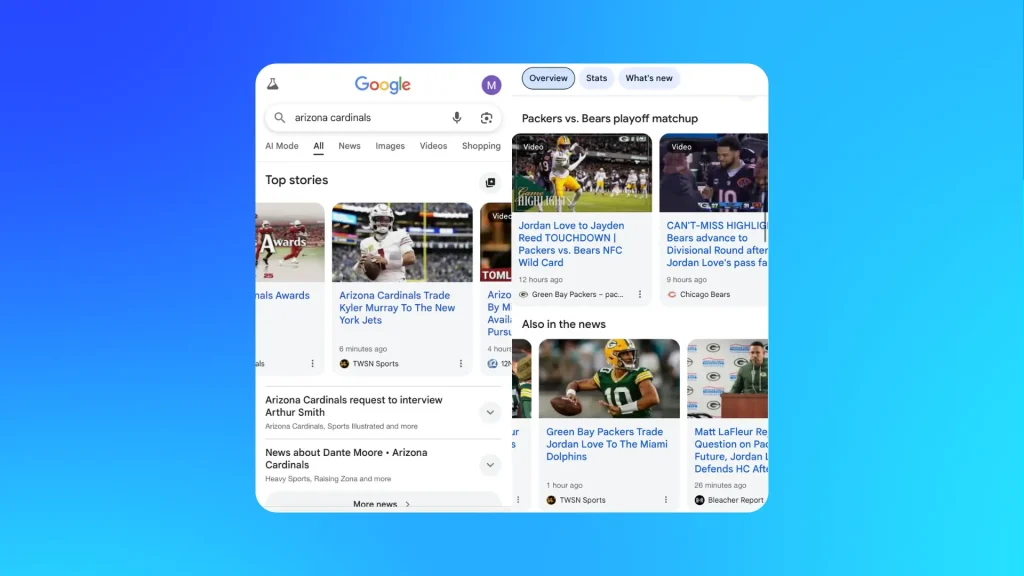
Google is updating its ranking systems to reduce the visibility of speculative and predictive news content across Search and Google News. The change follows growing issues with prediction articles being presented as confirmed events, particularly in sports and finance, which has led to misleading headlines appearing in Top Stories. Google has confirmed this will be a ranking-based adjustment rather than a quick fix, with factual reporting prioritised over forecast-style content.
The Gurus’ take
This reinforces Google’s long-standing focus on accuracy, transparency and intent matching. From a search engine optimisation perspective, prediction content is not inherently bad, but poor labelling and click-driven framing undermine trust. Publishers relying on speculative traffic may see sustained declines if content intent is unclear or misleading.
Your action plan
- Clearly label predictions in titles and metadata.
- Separate opinion and forecast content from news reporting.
- Strengthen editorial standards aligned with SEO best practices.
Google Brings Personal Intelligence to Gemini and Search
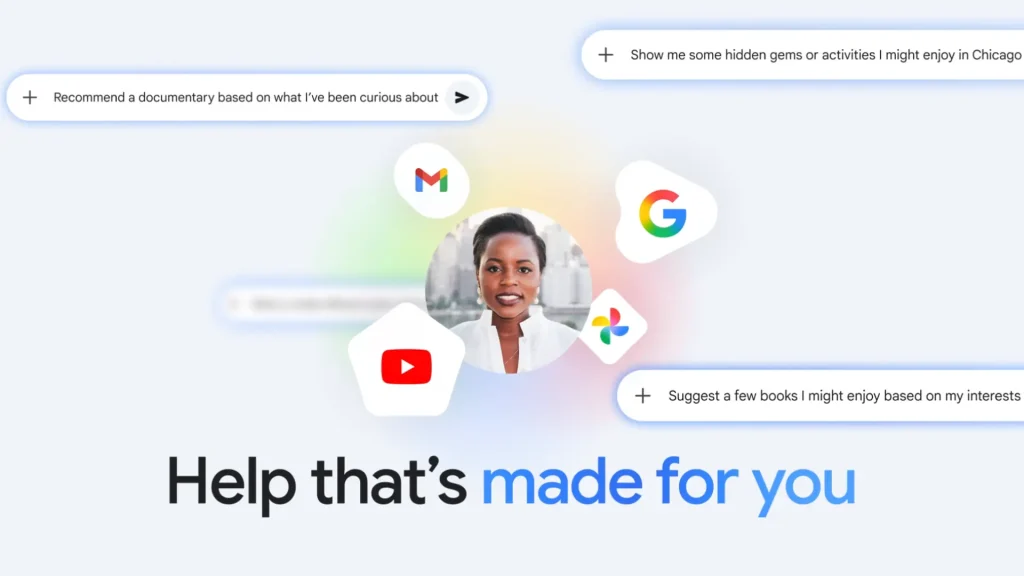
Google has announced Personal Intelligence, a new AI capability rolling out in Gemini and soon expanding into Search AI Mode. The feature connects data across Gmail, Photos, YouTube and Search to deliver highly personalised responses based on individual user context. While currently opt-in and limited to paid Gemini tiers in the US, Google has confirmed broader rollout plans, including free users and Search integration.
The Gurus’ take
This marks a shift toward truly adaptive AI search experiences. As AI search becomes more personalised, visibility will depend less on generic rankings and more on contextual relevance to individual users. This introduces both opportunity and complexity for brands operating in generative environments.
Your action plan
- Focus on clarity of intent across content assets.
- Optimise for contextual usefulness, not just keywords.
- Prepare for personalised discovery with AI SEO / GEO strategies.
Google Ads Introduces Campaign Total Budgets
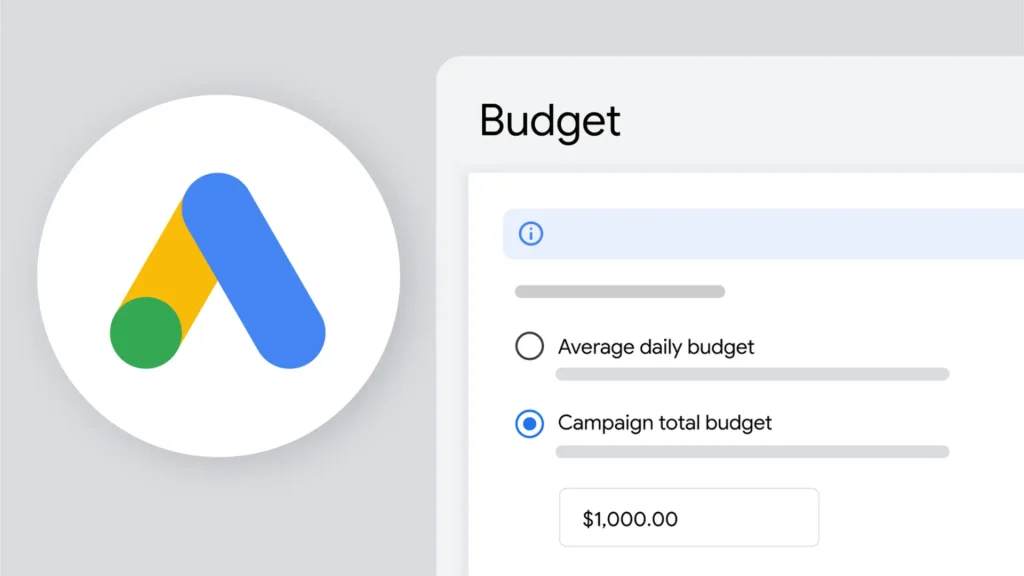
Google Ads has launched campaign total budgets for Search, Performance Max and Shopping campaigns. Advertisers can now set a fixed budget for the full campaign duration rather than managing daily spend limits. The system will automatically pace spending to maximise performance within the defined timeframe, making it easier to manage short-term promotions and seasonal activity.
The Gurus’ take
This update reduces hands-on budget management but shifts more control to automation. While helpful for predictability, it requires confidence in campaign structure and targeting. For Google Ads performance, a strong upfront setup matters more than ever.
Your action plan
- Use total budgets for fixed-time promotions.
- Monitor early spend velocity closely.
- For the best results, balance your automation with the professional oversight of a PPC agency.
Meta Makes Attribution Transparency Easier for Advertisers
Meta has introduced a new reporting breakdown that allows advertisers to analyse performance by attribution settings directly within Ads Manager. Results can now be viewed in rows rather than columns, making it easier to compare attribution windows such as 1-day click and 7-day click. A key addition is the 2-7 day click view, which highlights delayed conversion activity and removes overlap that often distorts reporting insights across social media advertising campaigns. This makes attribution analysis faster and more practical for day-to-day optimisation.
The Gurus’ take
This is a meaningful improvement for Meta ads measurement. Attribution confusion often leads to over-optimisation toward short-term clicks or premature budget shifts. Clearer visibility supports stronger decision-making and helps teams evaluate performance with greater confidence and consistency across reporting periods.
Your action plan
- Review campaign performance across multiple attribution windows.
- Use delayed conversion views to guide creative and budget changes.
- Ensure optimisation decisions reflect the full conversion journey, not isolated touchpoints.
New Google Trends Feature Uses Gemini to Surface Related Search Terms
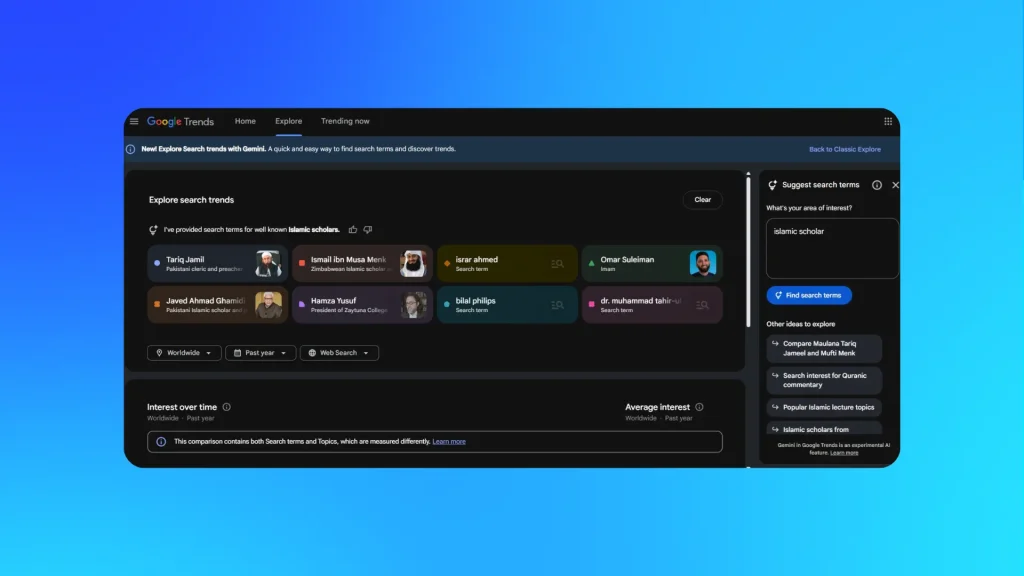
Google has updated the Trends Explore page with Gemini-powered AI that automatically identifies and compares relevant search terms. The new side panel suggests related queries and prompts, reducing manual effort in trend discovery. Interface improvements also allow more terms to be compared at once and surface a greater volume of rising queries to support smarter search engine optimisation and content research, particularly during early planning stages.
The Gurus’ take
This update accelerates research workflows by removing guesswork from topic discovery. Gemini helps surface adjacent demand signals that may not be immediately obvious, enabling teams to explore search behaviour more efficiently while still applying strategic judgment.
Your action plan
- Use AI-suggested trends to validate topic clusters early.
- Cross-check Gemini insights against first-party performance data.
- Apply findings to content planning, keyword expansion and campaign ideation.
Meta Ads Adds AI Conversion Visibility for Advertisers
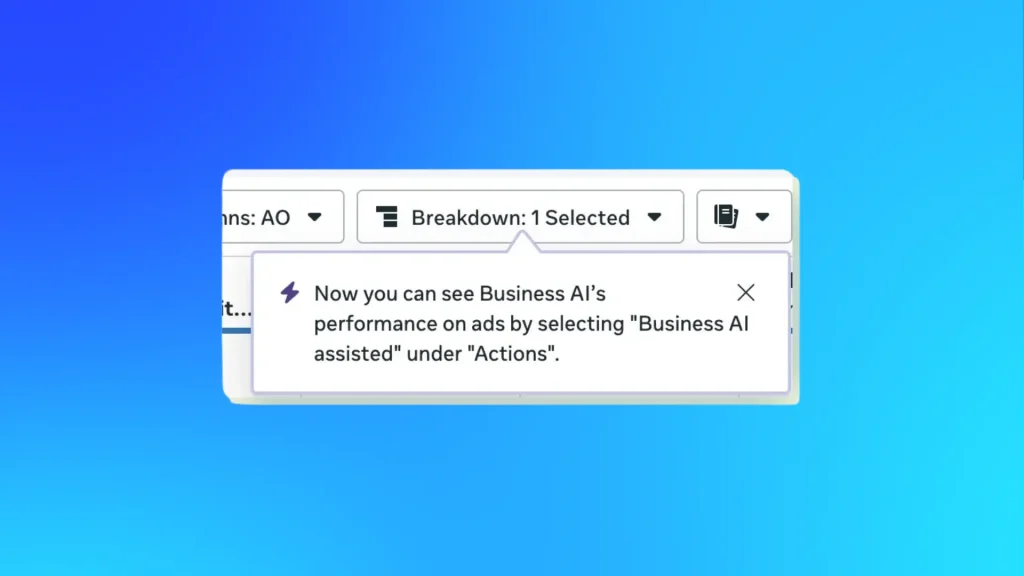
Meta has introduced a new “Business AI” breakdown that shows whether conversions were influenced by AI-driven tools such as Advantage+ creative, automated formats and delivery optimisation. This added transparency gives advertisers clearer insight into how automation contributes to results, helping refine broader social media advertising strategies and budget allocation decisions.
The Gurus’ take
This is a positive move toward greater accountability in automation. Understanding how AI impacts social media ads enables teams to justify spending more confidently and to identify when automation is genuinely adding value rather than simply redistributing existing demand.
Your action plan
- Analyse AI-influenced conversions separately from manual performance.
- Test incremental lift rather than total conversion volume alone.
- Use results to balance automation with hands-on optimisation where needed.
Google Tests New A/B Experiments for Shopping Titles and Images
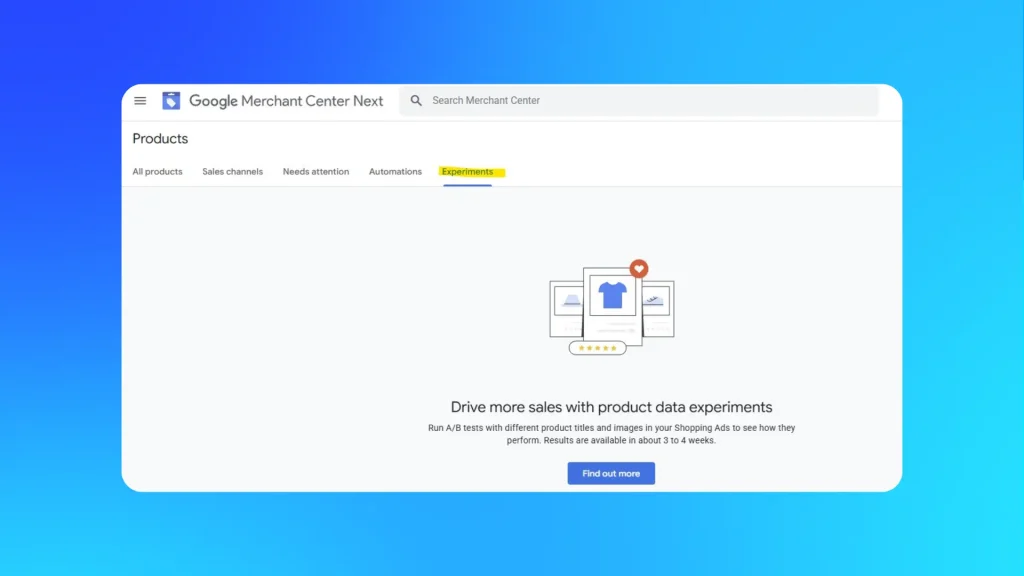
Google Ads is running a limited test that lets some advertisers A/B-test different product titles and images directly within Shopping Ads. Rather than manually editing feeds, advertisers can run structured experiments and receive performance results within three to four weeks. This feature, currently available to a small group of merchants, builds on Google’s broader push toward experimentation across Shopping and Performance Max campaigns.
The Gurus’ take
This is a smart evolution for Shopping optimisation. Product titles and images are major performance drivers, yet testing them at scale has always been resource-heavy. Built-in experiments give advertisers clearer, cleaner insights without risking feed-wide disruption, especially for brands working with a Google Shopping agency.
Your action plan
- Prepare structured title and image variations before access rolls out.
- Focus tests on high-volume SKUs to maximise signal quality.
- Use learnings to inform long-term feed and creative strategy, not just short-term wins.
YouTube Expands Promote Targeting and AI Video Tools
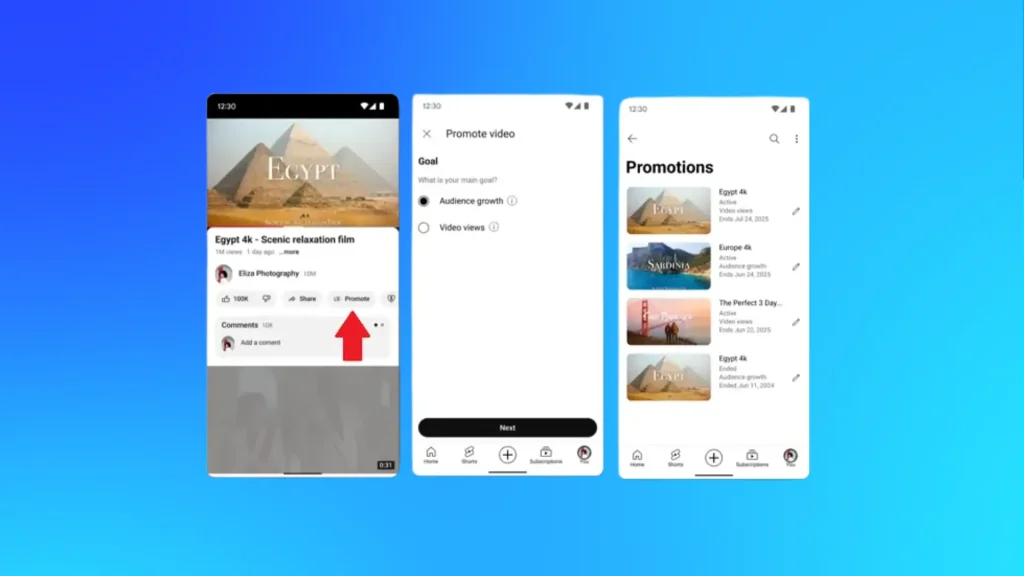
YouTube is expanding its Promote feature with new interest-based targeting options, allowing creators and brands to boost content to specific audience groups such as gamers, travellers or beauty enthusiasts. Alongside this, YouTube is testing AI-powered image-to-video tools that convert static images into short-form video clips, powered by its Veo AI models.
The Gurus’ take
These updates lower both production and targeting barriers simultaneously. Improved Promote targeting makes early-stage amplification more strategic, while AI video tools help teams scale creative output faster. For brands investing in YouTube advertising, this opens up new ways to test formats without heavy production overheads.
Your action plan
- Use Promote targeting to validate audiences before scaling spend.
- Test AI-generated clips as creative iterations, not replacements.
- Monitor engagement quality closely to ensure automation supports real performance.
TikTok Launches Channel Sales Partner Program for SMBs

TikTok has launched the Channel Sales Partner Program to help small and mid-sized businesses scale advertising through trusted third-party platforms. These partners integrate TikTok Ads directly into tools SMBs already use, enabling automated campaign creation, optimisation and reporting via API connections. The program focuses on reducing friction and accelerating adoption at scale.
The Gurus’ take
This reflects TikTok’s growing focus on indirect sales and automation-led growth. By embedding TikTok into existing SMB ecosystems, the platform removes technical and operational barriers that often slow adoption. It also positions TikTok as a more accessible full-funnel channel for performance-driven advertisers.
Your action plan
- Assess whether existing platforms support TikTok integrations.
- Prioritise automation where in-house resources are limited.
- Treat TikTok as part of a broader multi-channel performance mix, not a standalone test.
Google AI Overview Local Pack Leading To Huge Drops In Visibility
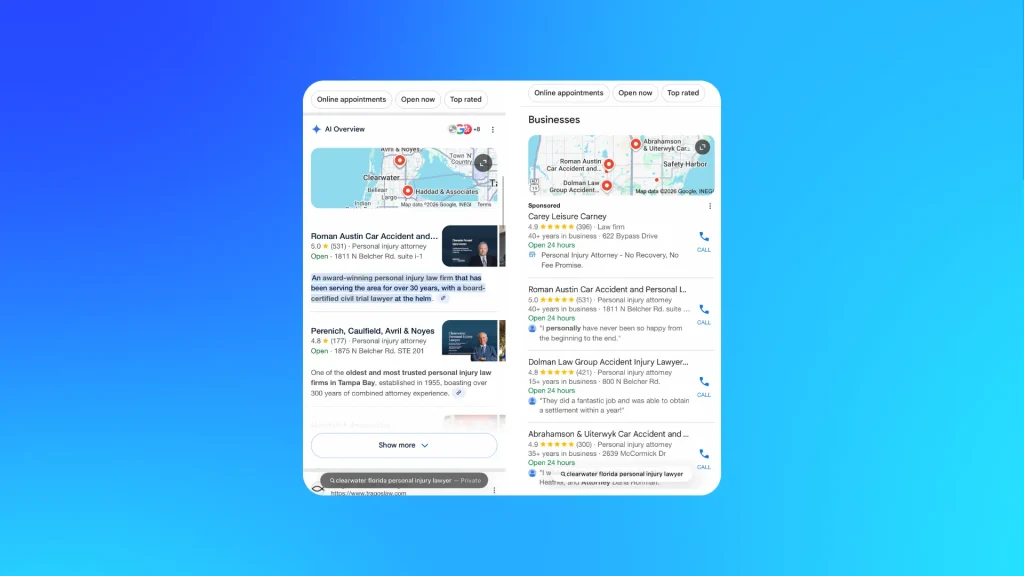
Google has begun displaying AI Overviews in place of traditional local packs for some searches, and the impact on local visibility has been significant. Businesses are reporting sharp declines in impressions, calls and profile interactions as AI-generated summaries displace the familiar three-pack. In some cases, visibility drops of 50% or more have been recorded, particularly for service-based businesses reliant on Google Business Profile engagement.
The Gurus’ take
This signals a major shift in how local intent is surfaced. AI-powered local packs change the competitive landscape by compressing organic visibility while increasing ad prominence. Local SEO is no longer just about ranking in the three-pack, but about how businesses are represented within AI summaries and whether they are included at all.
Your action plan
- Audit Google Business Profile performance trends closely.
- Strengthen entity signals such as reviews, categories and service relevance.
- Prioritise comprehensive local optimisation strategies that account for AI-driven local results.
Stay ahead of platform changes with Online Marketing Gurus
It is easier to adjust early than to fix issues once performance has declined. Whether you are monitoring search fluctuations, improving paid media processes or deciding how AI fits alongside SEO, the focus should be on alignment rather than speed. What works best will depend on your current channels, goals and internal resources.
Online Marketing Gurus helps businesses leverage platform changes through digital marketing in Australia. We work across AI SEO, paid media, content and emerging areas like Generative Engine Optimisation, applying changes in ways that support sustainable growth rather than short-term reactions.

About the Author
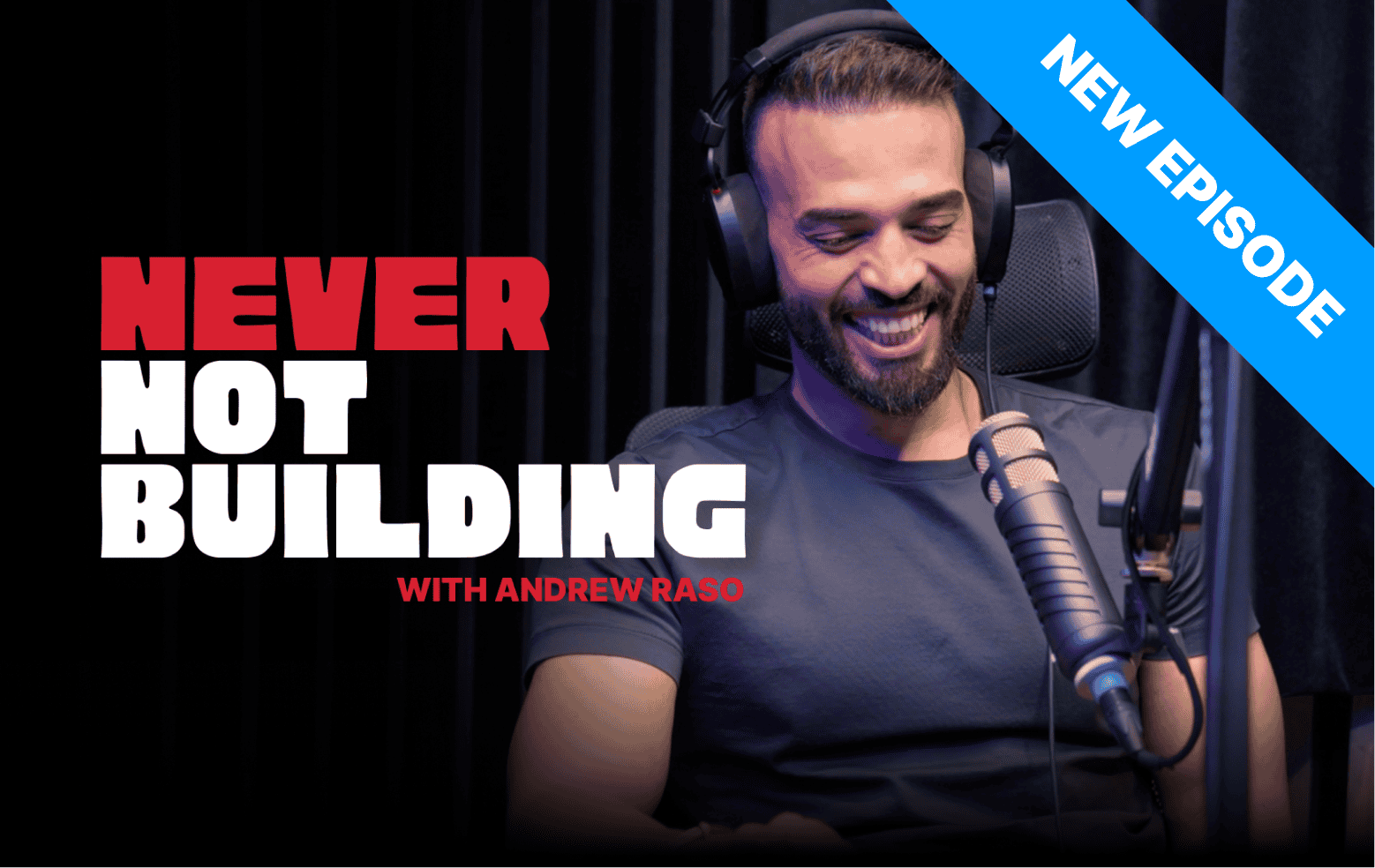
Andrew Raso
Share