







 1300 433 071


- Home
-

- Blog
-
- News & Industry Updates
-
- Google AI Overviews Getting More Conversational With AI Mode & Improving Response Quality
Google AI Overviews Getting More Conversational With AI Mode & Improving Response Quality
It’s still early in 2026, but search and PPC just got louder, smarter and far less patient. Google, Meta, LinkedIn and even ChatGPT are reshaping how people discover and act on information, often before a click ever happens.
For brands investing seriously in digital marketing in Australia, this is the moment where strategy either sharpens or slips quietly out of view.
Key Takeaways
-
AI search is becoming conversational, with Google AI Overviews, AI Mode and Chrome’s Gemini reshaping how users discover and consume information before they ever click.
-
Search volatility is now the norm, making agility, intent alignment and disciplined SEO critical during sustained ranking fluctuations.
-
Performance Max is maturing fast, with channel-level reporting and first-party data exclusions giving advertisers clearer insight and cleaner testing within automated campaigns.
-
Google Ads infrastructure is getting smarter, as Data Manager integrations improve attribution accuracy and the effectiveness of automated bidding decisions.
-
Paid media is leaning harder on credibility as third-party endorsements in Search ads and ad sequencing on Meta elevate trust and narrative control.
-
AI skills are becoming commercial signals on LinkedIn.
Google Upgrades AI Overviews With Gemini 3 Worldwide & Follow-Up Questions Jump You Directly to AI Mode
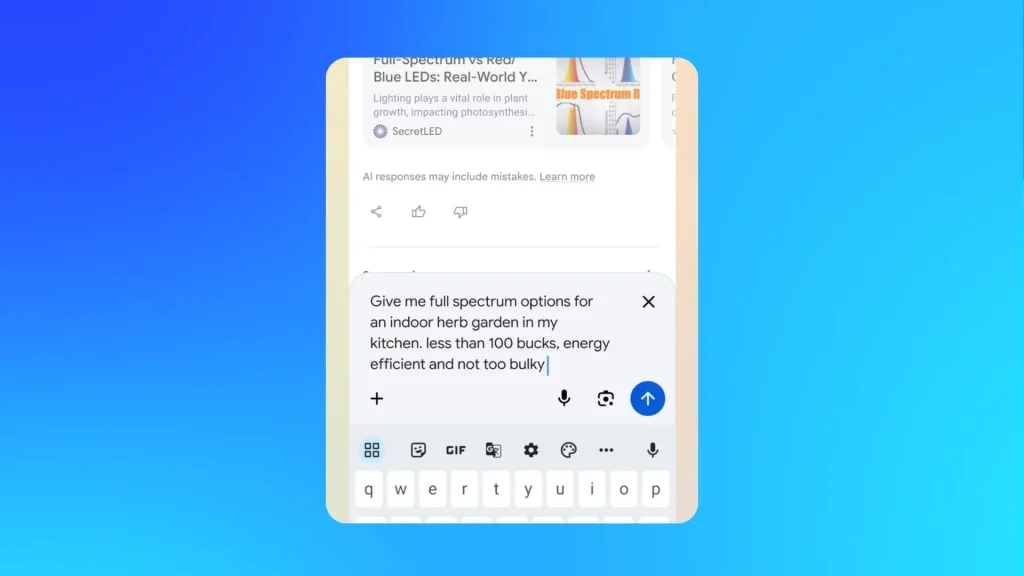
Google is taking AI search up a notch. Its AI Overviews are now powered globally by the Gemini 3 model, bringing sharper reasoning, better context and higher response quality straight into everyday search. With this update, when you ask a follow-up question from within an AIO, Google now drops you straight into AI Mode for a true conversational experience.
Prior to this change, follow-ups usually meant editing your search or clicking a separate AI tool. Now, the handoff to AI Mode feels seamless, keeping context intact and threading responses into a natural back-and-forth flow that users increasingly expect from modern AI search experiences.
The Gurus’ Take
From our POV, it’s a clear signal that Google prefers conversational search over traditional link hops. That changes how brands approach visibility and content optimisation in a landscape where AI search summarises and structures answers before users ever reach your site.
For digital marketers, especially those serious about AI-centred SEO and broader search strategies, this means crafting content that holds up in conversation, not just ranking on keywords. It also highlights the urgency of monitoring how Google interacts with your content and where opportunities to surface insights within the AI flow might emerge.
Your Action Plan
- Revise your content briefs to include conversational intent and follow-up query vectors.
- Map out topic clusters that support layered questioning and nuanced information.
- Audit existing high-traffic pages to assess whether they answer common follow-up queries naturally.
- Monitor shifts in CTRs from traditional snippets vs AI responses.
- Align strategy with broader digital marketing trends, balancing AI search visibility with traditional search engine optimisation.
Google Search Ranking Volatility Super Heated During January
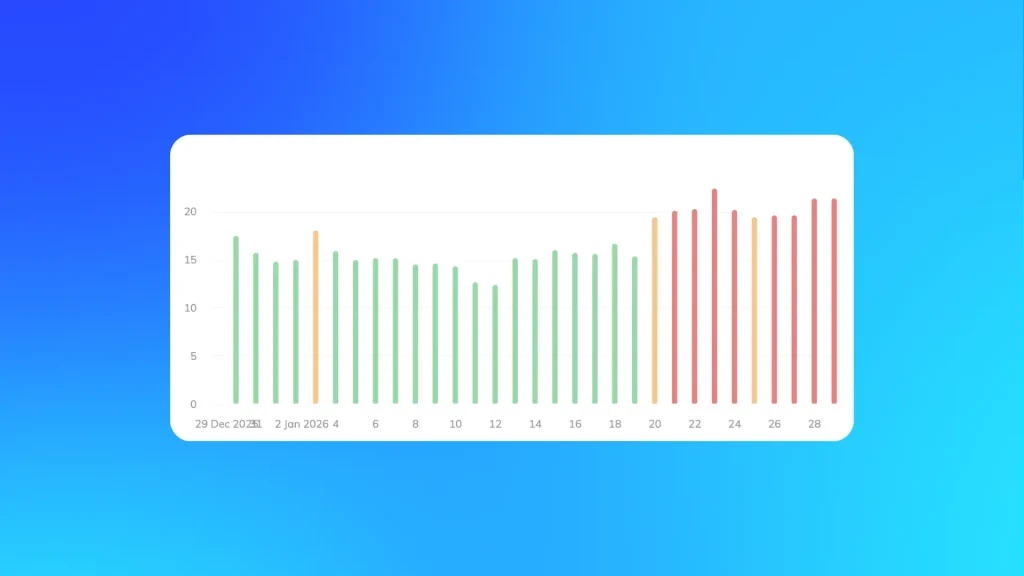
Third-party tracking tools and industry chatter highlight unusually intense keyword ranking volatility across SERPs throughout the month. According to multiple reports, Google’s rankings have shifted wildly on several occasions: around January 6, January 15-16, January 21 and again at the end of the month. These fluctuations have followed the December 2025 core update and shown no sign of settling as January draws to a close.
For businesses serious about SEO in Australia, this kind of movement matters. Sudden ranking swings often lead to unexpected traffic shifts and require marketers to balance responsiveness with solid fundamentals.
The Gurus’ Take
January’s volatility is what happens when Google tweaks the plumbing and the whole suburb hears the pipes rattle. This usually means Google is testing relevance thresholds and re-weighting signals (not randomly punishing sites). Treat it like a diagnostic. Identify which page types moved most (category pages, service pages, blogs), then check what changed in the SERP: more forums, more video, more local packs, more “AI-ish” answers. That tells you what Google is leaning into.
The mistake is chasing the wobble with busywork. If a page drops but impressions stay steady, it’s often a reshuffle instead of a quality verdict. If impressions fall with rank, that’s when you dig. Stick to best-practice SEO, but keep a short list of fast tests ready when the graphs start tap dancing.
Your Action Plan
- Track keyword positions over weekly windows to separate noise from meaningful shifts.
- Align high-value content with evolving intent patterns that emerged during volatility peaks.
- Document SERP feature changes and competitor moves for deeper context.
- Reinforce core SEO fundamentals to protect against erratic swings.
- Communicate keyword ranking volatility’s effects clearly in client discussions, focusing on patterns rather than day-to-day movements.
Performance Max Finally Gets Channel-Level Reporting
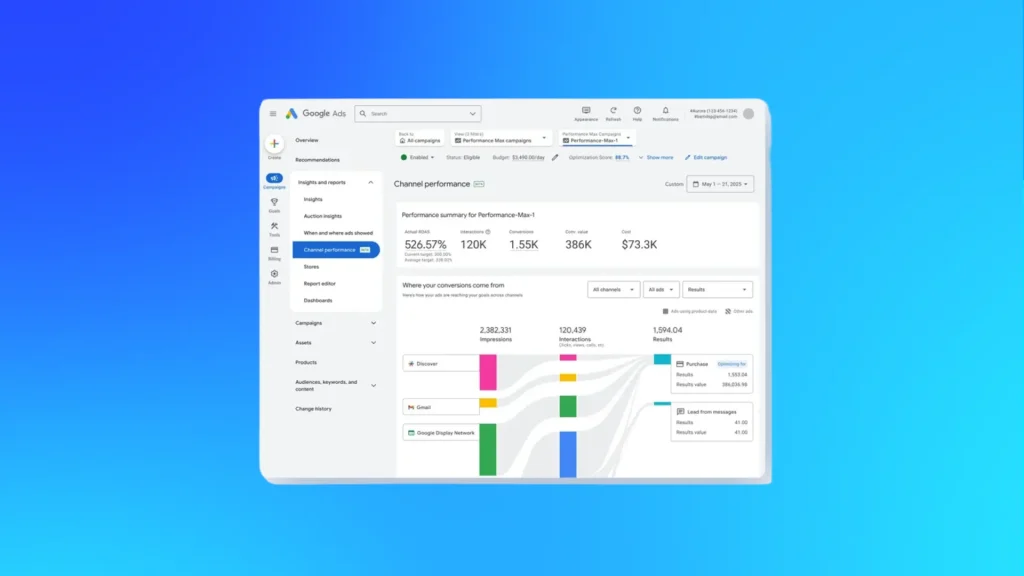
Google’s Performance Max campaigns have long been criticised for being a black box, with strong results but little clarity on which surfaces were driving them. That’s finally changing with the introduction of channel-level reporting. This gives PPC marketing pros a window into how each individual channel contributes to results, including Search, YouTube, Display, Gmail, Discover, Maps and more.
With channel-level reporting, advertisers can see where their campaigns are truly winning or lagging. It doesn’t let you control spend by channel yet, but the insights are a major step toward smarter optimisation and accountability.
The Gurus’ Take
The addition of channel-level reporting in PMax changes how we interpret automated campaigns. For years, the consensus was to trust Google’s automation and hope it works. Now we can actually see which surfaces are driving your results. This distinction is huge because from our experience in PPC marketing, two channels can produce the same conversions but very different cost and engagement profiles.
The real value here is being able to act on that transparency with smarter briefs, better asset allocation and clearer reporting back to clients. Look at channel performance early and often; it’s where actionable insights are hiding.
Your Action Plan
- Review channel performance reports weekly to spot trending strengths and weaknesses.
- Align creative assets with channels that show high engagement or conversion value.
- Identify channels lagging behind and test format or messaging adjustments.
- Use breakdowns to inform PPC reporting and client strategy discussions.
- Compare channel ROI and pivot asset focus accordingly rather than treating PMax as a monolith.
Performance Max Adds First-Party Data Exclusions
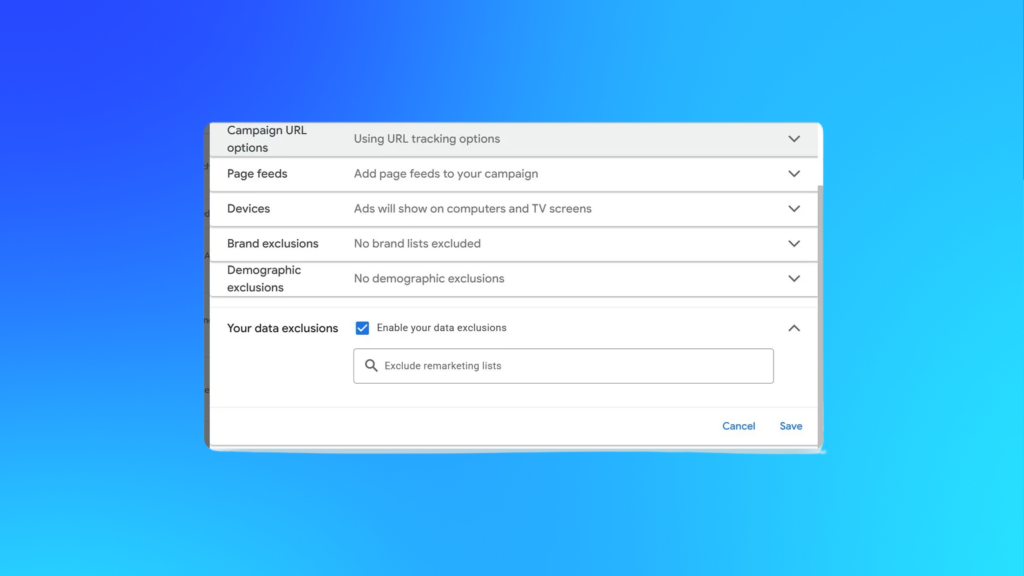
Google has introduced “Your Data Exclusions” for Performance Max, letting advertisers exclude first-party audiences from being used in the campaign. You can now exclude remarketing lists and Customer Match lists, so PMax does not use those in its targeting and optimisation.
Functionally, you switch it on in campaign settings. The option appears under Your Data Exclusions (reported as sitting under demographic exclusions in the UI), then you select the lists you want excluded. This gives brands more control for compliance, cleaner prospecting tests and sharper segmentation, instead of PMax blending everyone into one automated soup.
The Gurus’ Take
This is a rare Google advertising update that actually improves decision-making. When you can exclude Customer Match and remarketing lists, you can finally stop PMax from “helping” by leaning on your warmest audiences, then calling it growth. That makes performance readouts more honest, especially when stakeholders want to know if you’re driving new demand or just re-catching people already in the net.
The angle many miss is experimentation hygiene. You see, if you’re testing creatives, offers or landing pages, letting first-party audiences bleed into everything muddies the result. Use exclusions to protect the test, then reintroduce audiences with intent. It’s mature AdWords management: not more levers, just better guardrails.
Your Action Plan
- Identify which lists are “growth killers” in PMax (past purchasers, leads, high-intent site visitors).
- Enable Your Data Exclusions at the campaign level and exclude those lists before analysing results.
- Run separate campaigns for acquisition vs retention, so reporting stays interpretable.
- Pair exclusions with a clear new-customer measurement approach (new customer goals, segmented conversion tracking).
- Sanity-check compliance and consent on Customer Match usage, then document your rationale for exclusions.
- Review exclusions monthly, especially after promos, CRM refreshes or big seasonal shifts in Google advertising.
Google Ads Data Manager Now Recommends Product Integrations
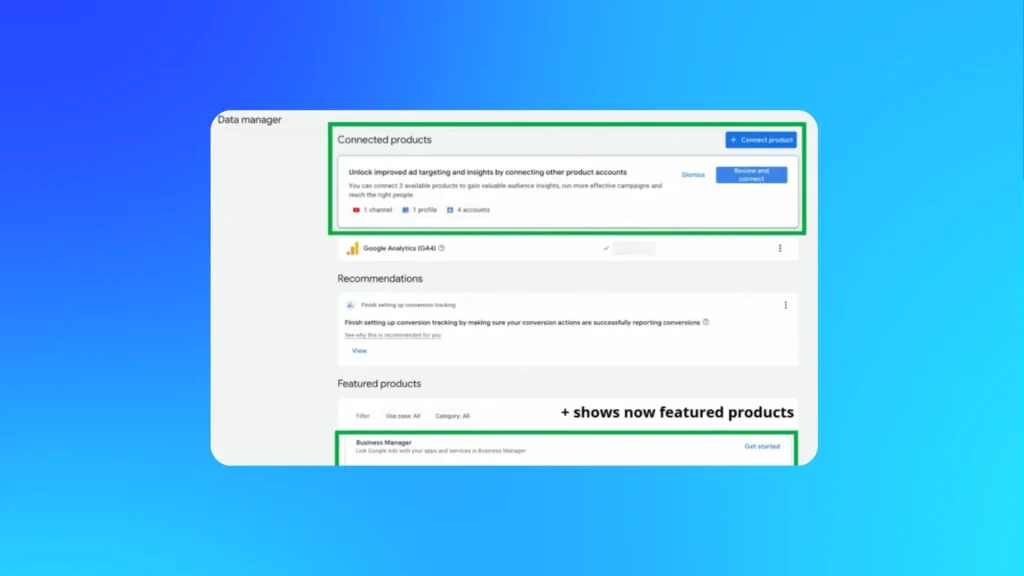
Google Ads has updated its Data Manager to suggest relevant product connections based on your login and account context. Instead of manually hunting through menus or guessing which integrations to link, the system now proactively highlights missing connections that could improve data flow between Google products such as GA4, YouTube, Business Profile and Merchant Center.
Under the hood, Data Manager centralises how first-party and linked product data flows into your Google Ads account. The new suggestions act like signposts that tell you where data gaps exist and which connections will strengthen measurement or signal quality. Clean integrations boost the quality of your campaign signals, strengthen attribution and smooth the way for smarter automated bidding.
The Gurus’ Take
This update feels like a small change on the surface, but it’s one of those behind-the-scenes improvements that alters how accounts perform. For years, we’ve seen campaigns under-deliver not because bids or creatives were bad, but because the data they fed on was patchy. Google’s proactive product connection suggestions help close those gaps early, especially for key integrations like GA4 and Merchant Center that fuel smarter bidding and more accurate measurement.
Your Action Plan
- Check Data Manager each week for recommended product connections.
- Prioritise linking GA4, YouTube and Merchant Center where relevant.
- Complete suggested connections before launching major campaigns.
- Review how new links impact conversion attribution and ROAS reporting.
- Align integrations with your broader measurement strategy, including analytics.
- Consider audits of data permissions to keep connections healthy.
- Treat suggested connections as strategic steps, not optional extras.
Chrome’s Gemini Side Panel Turns Browsing Into an AI-Powered Task Engine
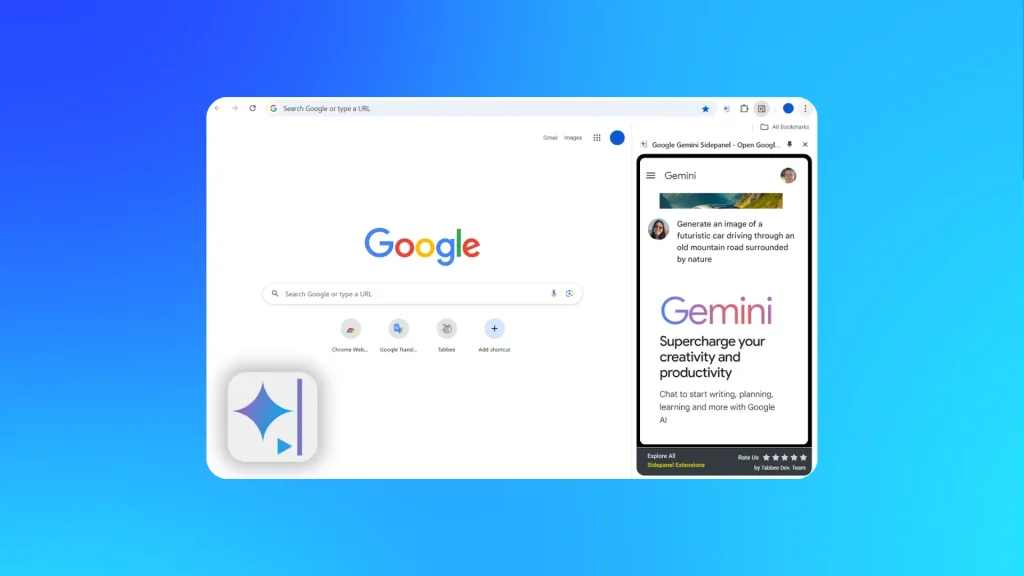
Google is rolling out a Gemini-powered side panel in Chrome that lets users summarise the page they’re on and keep working without bouncing between tabs. It’s built on Gemini 3 and is positioned as a “multitask while you browse” AI, sitting persistently in the browser rather than as a pop-up tool.
The bigger shift is “agentic” capability. Chrome’s Auto Browse can handle multi-step tasks across the web, with Google framing it around user control for sensitive actions. For digital marketing, this means brands now compete with AI-led decision-making before users scroll, click or even form a shortlist.
The Gurus’ Take
When the browser can summarise your page instantly, bloated sections and “we’re passionate about” filler get compressed into one bland sentence. We’ve seen that the pages that summarise best are the ones written like they respect the reader’s time: clear H2s, direct answers and proof points close to the claim.
This is a metric we’ve been emphasising since last year: “pre-click influence”. If Gemini answers the question in the side panel, your job is not only to rank, but to be the source the AI trusts and quotes. That means tightening structure, improving scannability and making key facts unmissable.
Your Action Plan
- Rewrite key pages so the first 10 lines contain the core answer and the “why us”.
- Structure sections with one idea per heading, then a short proof block.
- Add crisp definitions, steps and comparisons that Gemini can lift cleanly.
- Reduce jargon and fluff that collapses into meaningless summaries.
- Strengthen E-E-A-T signals: author clarity, credentials, citations and specifics.
- Test your pages with summarisation prompts, then edit what the AI misreads.
Google Tests Third-Party Endorsements Inside Search Ads
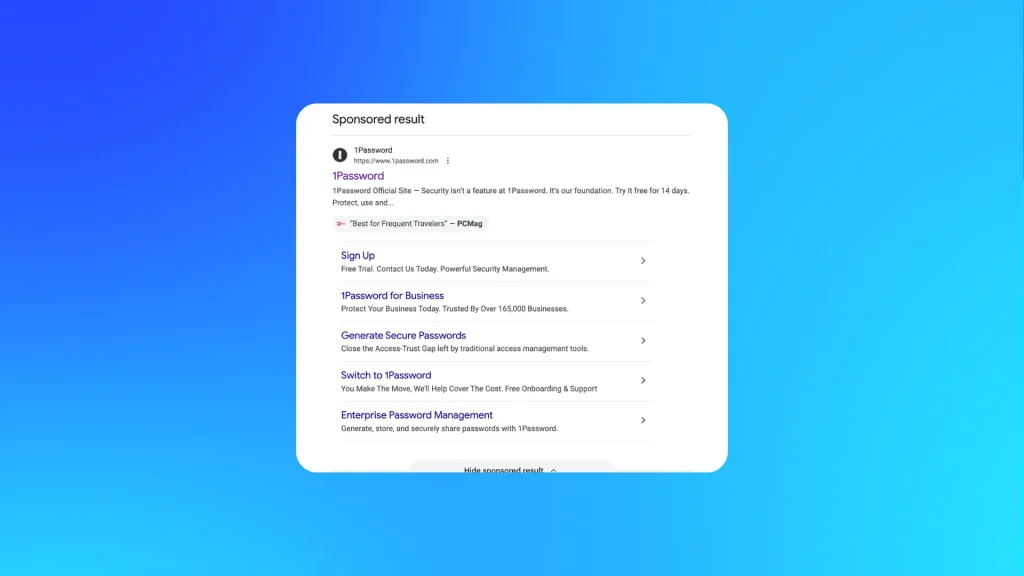
Google Ads is running a small experiment that places third-party endorsement content directly within Search ads. The endorsement can appear under the ad description and may show the publisher’s name, logo and a short line of validation pulled from that third-party site.
This is different to the familiar star-based store ratings format, which aggregates customer experience signals and can lift CTR on average. If Google scales this, ad performance will hinge not only on your copy and bid strategy, but also on whether credible third parties have already said something worth quoting.
The Gurus’ Take
We believe this is Google acknowledging what every marketer already knows: people trust brands less than they trust everybody else. The smart move is to treat “endorsement eligibility” like an asset. If your category has respected reviewers, industry bodies or partner ecosystems, those mentions may soon influence paid performance, even when you did not write them.
A practical lens: this will likely widen the gap between brands with genuine third-party proof and brands with only self-reported claims. Therefore, build your credibility stack now. Pursue reviews, certifications and partnerships that are specific and quotable. Also, keep an eye on brand safety. If Google can surface endorsements, it can also surface unflattering context.
Your Action Plan
- Audit your current third-party footprint: reviews, awards, certifications, media mentions, partner listings.
- Prioritise authoritative sources that are recognisable to your buyers.
- Coordinate paid and PR calendars so launches include external validation, not just ads.
- Monitor SERP ad variations regularly and screenshot changes for internal learnings.
- Prepare a response plan if an endorsement appears that’s inaccurate or outdated.
Meta Ads Introduces Ad Sequencing for Funnel-Based Storytelling
Meta has introduced ad sequencing for Awareness and Engagement campaigns, letting advertisers control the order people see ads, rather than leaving exposure to chance. It was previously tied to reservation buying, but is now appearing for auction campaigns in more accounts.
Mechanically, sequencing lives at the ad set level. You’ll need the right objective, set the performance goal, switch frequency control to Target and use a lifetime budget. You publish with at least two ads, then toggle sequencing on, drag-and-drop the order and choose repeat logic (repeat the sequence or the last ad).
The Gurus’ Take
When it comes to social media advertising, sequencing is a gift to anyone who’s been forced to tell a story in random order. When ads hit as a planned series, you can build comprehension, instead of just frequency. The trick is resisting the urge to turn it into a soap opera. Keep each step brutally clear: one message, one job, one next action. That’s how you avoid spending money teaching people nothing.
A practical heads-up: the setup is more finicky than standard auction campaigns. Target frequency pushes you into lifetime budgets and longer run times, and some advertisers are reporting bugginess while publishing. Start with a small, future-dated test to confirm your account can actually launch it before you build a five-part masterpiece.
Your Action Plan
- Start with a 3-step sequence: problem, proof, action.
- Write each ad so it still works solo, because delivery is never perfect.
- Use Target frequency to control pacing, then sanity-check audience size vs budget.
- Keep the first ad high-reach and low-friction, save hard sells for step 3.
- Align creatives by format: same visual world, clearer progression in message.
- Pick repeat logic deliberately: repeat the full sequence for education, repeat the last ad for conversion pressure.
- Launch a small “can we publish this” test before scaling, given reported bugs.
LinkedIn Adds Verified Generative AI Qualifications
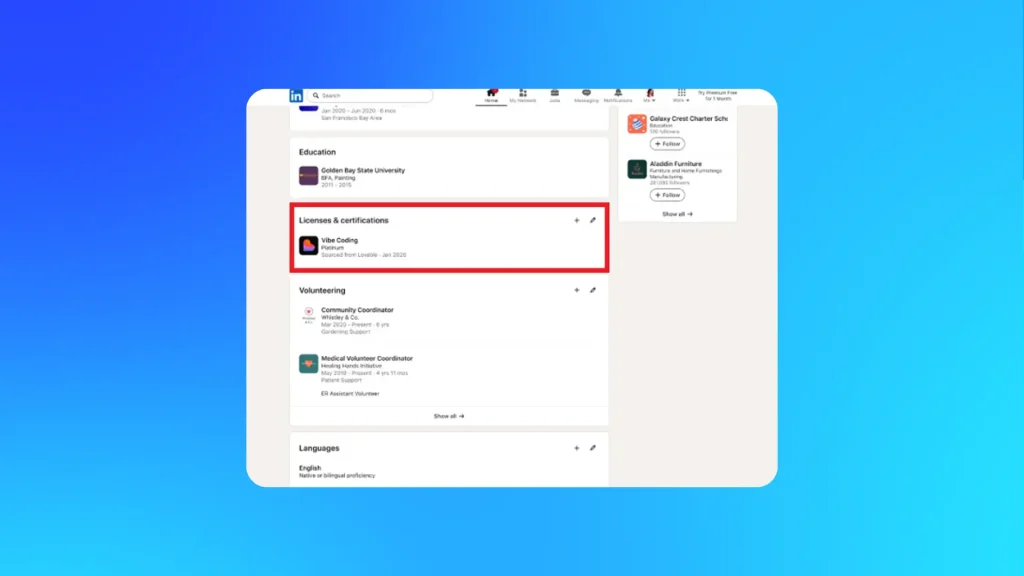
LinkedIn has added verified generative AI “qualifications” that can appear on your profile under Licences and Certifications, starting with a “Vibe Coding” credential. LinkedIn says partner platforms validate your knowledge based on usage patterns, with the credential linking back to the provider for supporting data. Early partners flagged include Descript, Lovable, Relay.app and Replit, with more planned.
The Gurus’ Take
This is LinkedIn formalising what’s already happening in the market: AI fluency is becoming table stakes. However, “AI-fluent” is wildly easy to claim, so verified qualifications tighten the signal, especially when they’re grounded in usage.
From here, recruiters and buyers will probably start filtering for verifiable capability, so treat the badge as a by-product of actual workflow adoption. If your team is using these tools daily, great, you’ll earn the credential naturally. If not, chasing a badge first is backwards. Build repeatable, documented use cases, then let verification do its job.
Your Action Plan
- Pick one or two tools your role genuinely benefits from, then use them consistently for real work.
- Document repeatable AI workflows (prompt frameworks, QA steps, safety checks) so usage turns into capability.
- Set internal “proof points” for AI work: time saved, error rates, output quality, throughput.
- Update your profile to reflect outcomes, then add verified credentials as supporting evidence.
- For hiring, add verification-friendly requirements (tool usage, portfolio artefacts) rather than vague “AI skills”.
- For B2B, align credentials with trust signals: case studies, processes and governance around AI use.
ChatGPT Ads Could Cost $60 CPM (Triple Meta’s Rates)
OpenAI is reportedly pricing ChatGPT ad inventory at about $60 CPM, positioning it as “premium” placement inside high-intent conversations. Ads are expected to appear in clearly labelled units for non-premium tiers, with limited reporting at launch. Think top-line views and clicks, not the full-funnel buffet you’re used to on Google Ads or Meta. The trade-off is measurement: attribution will be harder, at least initially.
The Gurus’ Take
We see this as an early-stage channel, not a replacement for your proven mix. While the headline CPM is punchy, the real cost is uncertainty. Limited data means you won’t have the usual levers to diagnose performance quickly, so your creative and offer have to do more heavy lifting upfront.
What needs to be talked about more is query-to-ad alignment. When it comes to ChatGPT ads, relevance is everything because the user is already deep in a specific problem. Generic brand copy will look silly sitting next to a detailed answer. Build ads around the moments where you genuinely help: “here’s the calculator”, “here’s the template”, “here’s the shortlist”. Also, plan for scrutiny. This is a trust-heavy environment, and OpenAI is signalling tight guardrails around sensitive topics.
Your Action Plan
- Set success criteria that match the reality: start with qualified traffic and assisted conversions, not perfect last-click ROAS.
- Build intent-led creatives mapped to high-value prompts and use cases.
- Create “answer-adjacent” offers: tools, checklists, demos, trials, consults.
- Tighten landing pages for continuity: repeat the prompt language, answer fast, then sell.
- Prepare measurement scaffolding: UTMs, post-click surveys, incrementality checks and CRM tagging.
Turn volatility into a competitive advantage with OMG
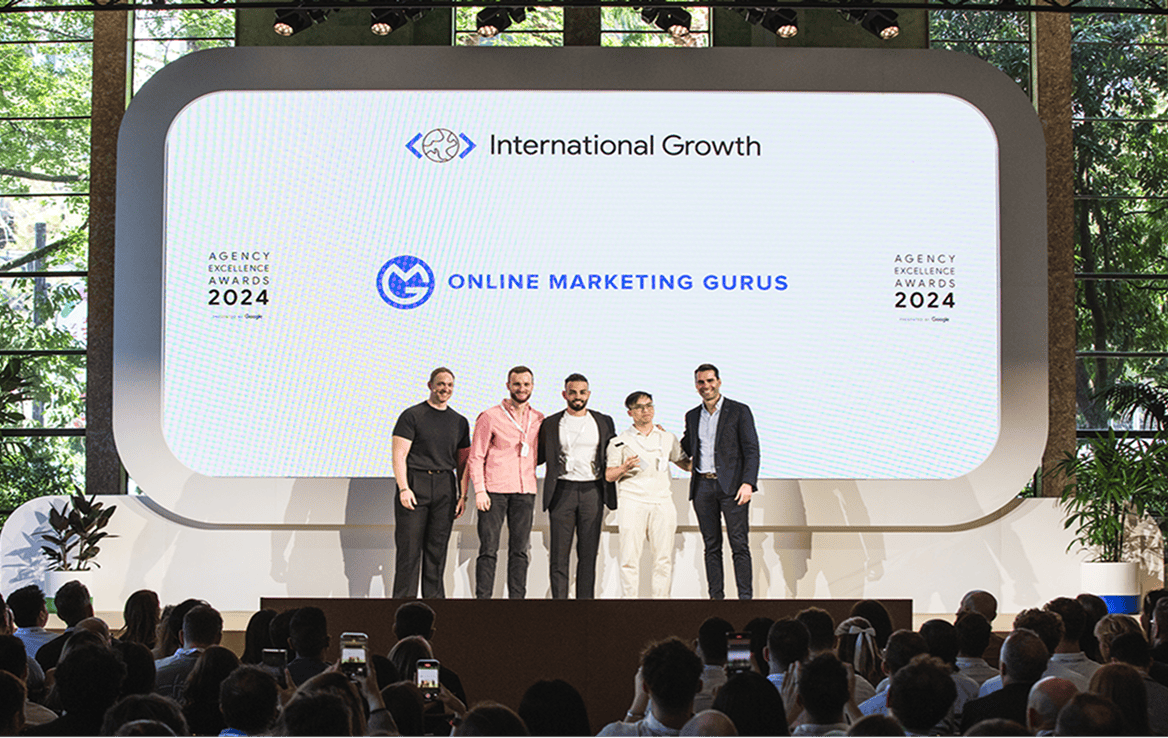
AI SEO, automated media and credibility signals are reshaping how brands win attention, but none of it works without strong fundamentals underneath. Online Marketing Gurus can help. We boast over a decade in the market, 40+ awards and some of Australia’s sharpest SEO and paid media minds.If your rankings look wobbly, Google Ads feel opaque or you’re frustrated that AI keeps changing the rules, it might be time to reset the playbook. Get in touch for a free strategy session and see how smarter Australian digital marketing actually performs.

About the Author
Andrew Raso
Share