








 1300 433 071



Online Trust Checklist
-
Trust is a primary driver of conversions, not design or traffic
-
Users leave due to uncertainty, not lack of information
-
Social proof must be visible, specific and authentic
-
Transparency reduces hesitation and drop-offs
-
Authority signals reinforce credibility instantly
-
Trust should be designed into every page
Trust is one of the most powerful levers in digital marketing, yet it’s often overlooked. In competitive digital marketing in Australia, users decide in seconds whether a brand feels credible.
How Do I Build Trust Online?
Building trust online isn’t about saying the right things; it’s about showing them. Below we’ll look at the key signals users look for when deciding whether a business is credible, and other considerations can either reduce doubt or amplify it. From first impressions to proof points, trust is built (or lost) in seconds – and understanding how that happens is where conversion gains begin.
Online Trust: Conversion Bottleneck
If visitors don’t trust your brand, they won’t convert, no matter how polished your design is. Most users don’t leave because they’re confused; they leave because they’re unsure.
Good web design serves one purpose: reducing doubt. Every page should immediately answer:
- Who are you?
- Have you done this before?
- Can I trust you?
- Is this a safe choice?
If those questions aren’t resolved quickly, users hesitate – and hesitation kills conversions.
Social Proof That Actually Works
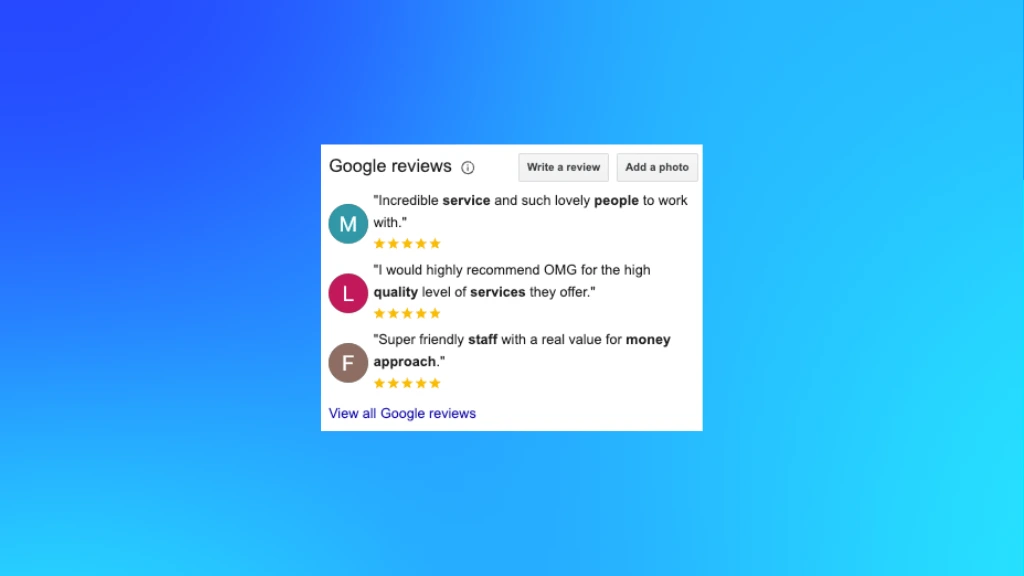
Social proof is one of the strongest trust signals available, but only when it feels real.
Effective social proof includes:
- Review scores with volume and recency
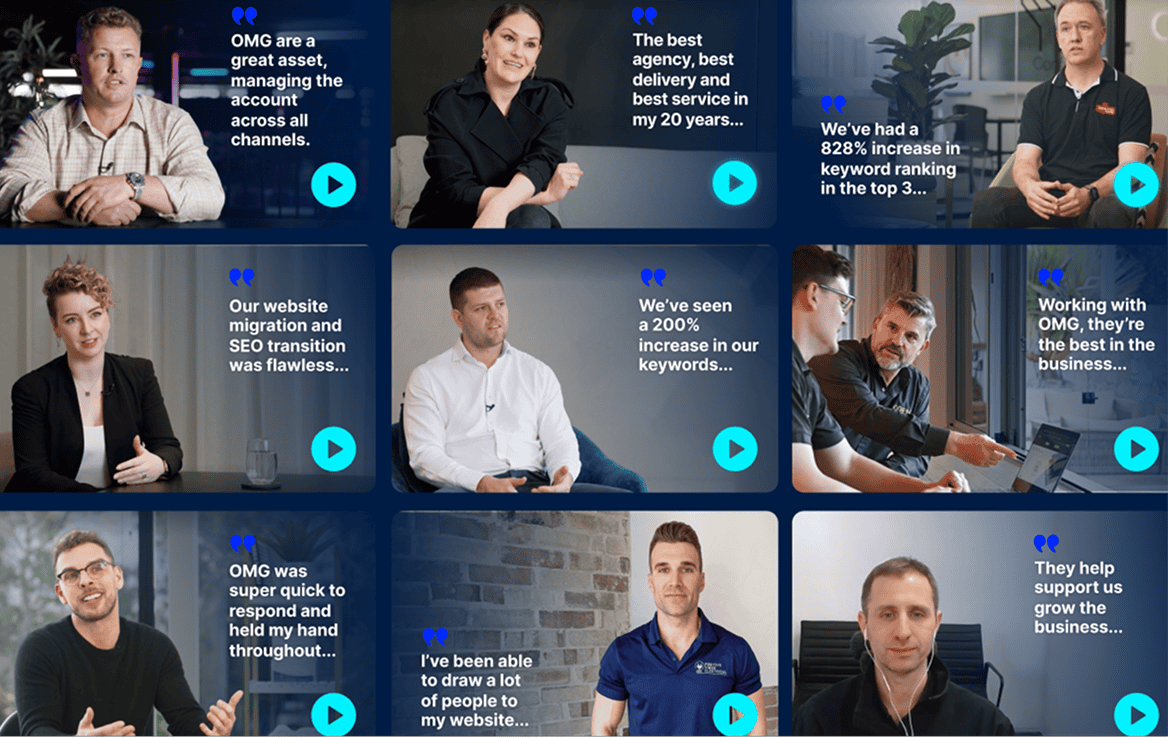
- Named testimonials with photos
- Short, results-driven case studies
Generic praise doesn’t convert. Specific outcomes do.
Can I Trust an Online Review?
Google receives around millions of reviews and photos every day across Maps and Search. With that scale, fake reviews have long been a challenge. While Google has prohibited misleading and fabricated reviews for years, it significantly strengthened its enforcement throughout 2023 by rolling out more advanced machine-learning systems to detect review fraud at scale. Google identifies dishonest behaviour by analysing patterns such as fake accounts, unnatural spikes in reviews, incentivised feedback and duplicated content. Reviews that violate policy are removed, and businesses engaging in manipulation risk penalties.
Not all online reviews carry the same weight, which is why authenticity matters. Platforms like Google now actively As a result, reviews left by real users (with genuine history, context and intent) remain one of the strongest trust signals available. This makes review platforms more reliable and reinforces a simple truth: long-term credibility is built through real customer experience, not shortcuts.
Should I Focus All My Reviews in One Place?
Not entirely. It’s best to have one primary review platform where the majority of your reviews live, but don’t rely on a single source. Concentrating reviews in one credible location helps build consistency and trust, while a small number of secondary platforms provide cross-validation for users who want reassurance. For Google, this looks natural and authentic. For users, it confirms that your reputation holds up beyond just one channel.
Transparency Reduces Drop-Offs
Clear and transparent content. Uncertainty creates friction. Clear explanations remove it.
Outline:
- Your process
- What happens next
- What users should expect
You reduce anxiety and increase confidence. People aren’t afraid of steps, they’re afraid of unknown outcomes.
Authority Signals and Credibility Borrowing
Certifications, partnerships and media features work because they leverage authority bias. They signal that credible organisations already trust you, making it easier for users to do the same.
Place these signals:
- Near CTAs
- In hero sections
- Throughout key conversion pages
Trust as a Design Principle
Trust shouldn’t live on a single page. It should be embedded across the entire experience; from layout and copy to imagery and navigation.
This approach doesn’t just improve conversions. It strengthens your entire funnel.
How Online Trust Supports SEO Performance
Creating online trust doesn’t just improve conversions; it directly supports your SEO strategy. When users trust a website, they stay longer, engage more and are more likely to scroll, click and convert. Those behavioural signals matter because Google increasingly uses user engagement to assess content quality. Clear credibility signals, real social proof and transparent messaging reduce bounce rates and increase dwell time, which strengthens E-E-A-T signals and helps reinforce organic rankings over time. In short, trust isn’t just a conversion lever; it’s a foundational part of sustainable SEO performance.
If your site looks good but isn’t converting, trust is likely the missing piece. Online Marketing Gurus helps brands redesign digital experiences around credibility, clarity and confidence. If you want your website to convert before traffic even scales, we can help.

About the Author
Andrew Raso
Share